Beginner's Guide to Delicious Backcountry Cooking
Master the art of cooking delicious meals in the wilderness with minimal gear. Everything you need to know about fuel, food prep, and cleanup when there's no kitchen in sight.
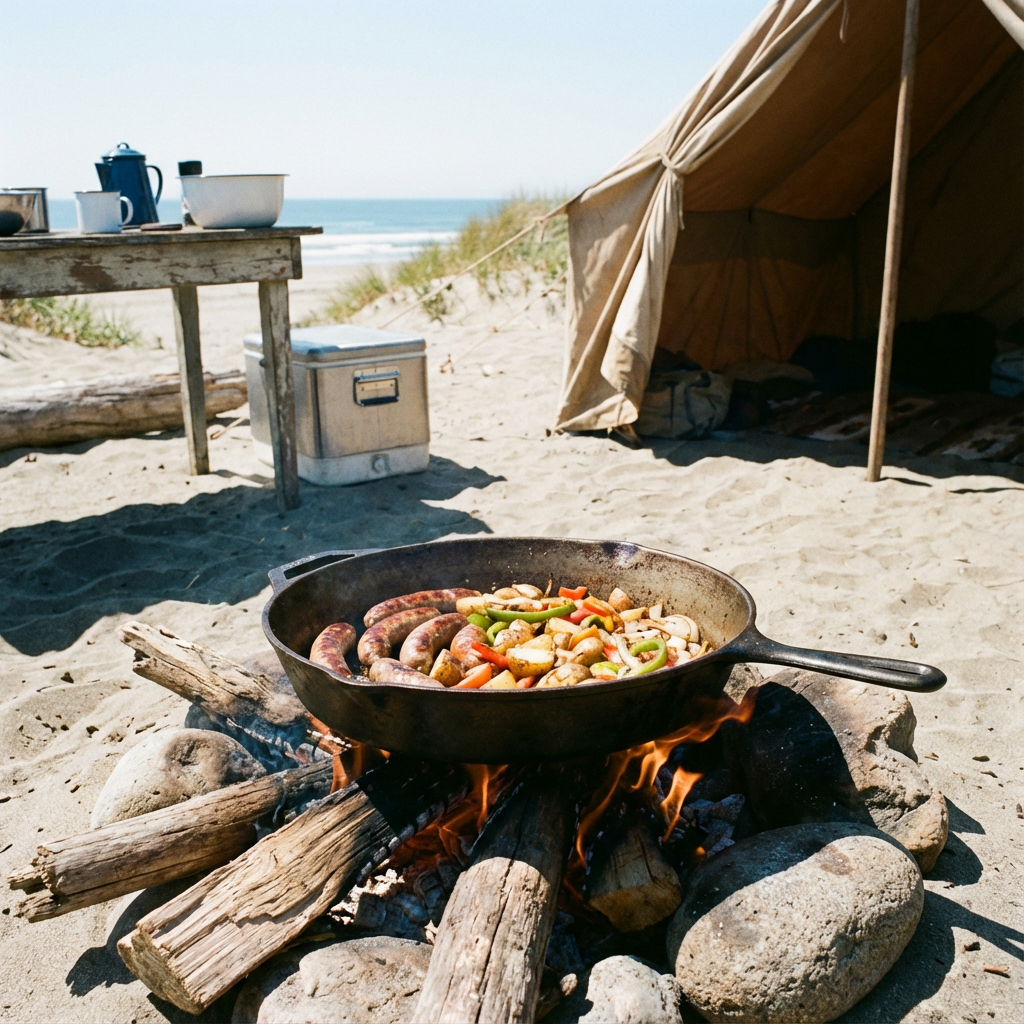
Overview
Cooking in the backcountry doesn't have to be intimidating. Here's everything beginners need to know to make great meals in the wild. 🏕️🍳
Why Backcountry Cooking Is Worth Learning
That first hot meal after a long day on the trail hits different. We’re talking about the kind of satisfaction that freeze-dried packets and cold granola bars simply cannot deliver.
Backcountry cooking might seem intimidating at first—no counters, no running water, no refrigerator. But with the right approach, you can eat remarkably well in the wilderness without hauling a full kitchen on your back.
Gear Essentials: The Minimalist Kit
When every ounce counts, we need to be strategic about what goes in the pack.
The Core Setup
- Lightweight stove — A compact canister stove weighs around 3-4 oz and boils water fast
- Pot or cookset — A 750ml-1L titanium or aluminum pot handles most meals
- Long-handled spork — One utensil to rule them all
- Lighter + backup — Waterproof matches as a failsafe
- Fuel canister — 4oz gets most people through a weekend
Nice to Have
- Insulated mug — Keeps coffee hot, doubles as a second vessel
- Cutting board — A flexible plastic sheet weighs nothing
- Small knife — For food prep (your camp knife works fine)
- Pot cozy — Insulated sleeve that lets food finish cooking off the stove, saving fuel
We recommend starting with the basics and adding gear as you figure out what you actually use.
Meal Planning: Think Simple
The golden rule of backcountry meal planning: complexity is the enemy.
What Works
- One-pot meals — Pasta, rice dishes, soups, stews
- No-cook options — Wraps, nut butter, cheese, cured meats for lunch
- Dehydrated ingredients — Lightweight and shelf-stable
- Pre-measured portions — Repackage at home to save space and weight
Sample Day
- Breakfast: Instant oatmeal with dried fruit and nuts
- Lunch: Tortilla with peanut butter, honey, and banana chips (no cooking required)
- Dinner: Ramen upgraded with dehydrated vegetables and a packet of tuna
- Snacks: Trail mix, jerky, energy bars
Plan 2,500-3,500 calories per day depending on your activity level. Hungry hikers are unhappy hikers.
Fire vs. Stove: The Great Debate
Both have their place. Here’s when to use each.
Go With a Stove When:
- Fire restrictions are in effect (common in summer)
- You’re above treeline or in wet conditions
- Speed matters—stoves boil water in minutes
- Leave No Trace is a priority
- You’re in bear country and want to cook away from camp
Go With Fire When:
- It’s permitted and safe
- You’re car camping or have a dedicated fire ring
- You want that authentic outdoor cooking experience
- Wood is plentiful and dry
For most backcountry trips, we recommend relying on a stove as your primary cooking method. Fires are great, but they require the right conditions, more time, and careful management.
Easy Recipes for the Trail
You don’t need culinary training. You need food that’s hot, filling, and tastes good.
Upgraded Ramen
Add a packet of miso soup mix, some dehydrated vegetables, and a squeeze of sriracha. Crack a soft-boiled egg if you packed one for day one.
Couscous with Sun-Dried Tomatoes
Couscous cooks in 5 minutes with just-boiled water. Mix in olive oil packets, sun-dried tomatoes, and parmesan. Done.
Backcountry Burritos
Pre-make dehydrated bean mix at home. Rehydrate with hot water, spoon onto a tortilla, add cheese and hot sauce. Filling and satisfying.
Mountain Mac and Cheese
Bring pasta and powdered cheese sauce. Cook pasta, drain most water, stir in cheese powder and a splash of olive oil. Comfort food anywhere.
No-Cook Lunch Wrap
Tortilla + cream cheese + smoked salmon + everything bagel seasoning. No stove required, surprisingly gourmet.
Water and Cleanup: Leave No Trace
This is where beginners often struggle. Good habits here protect both the wilderness and the next campers.
Water Rules
- Always filter or treat water before cooking
- Collect water at least 200 feet from your cooking area
- Never wash dishes directly in streams or lakes
The Cleanup Process
- Eat everything — Scrape your pot clean with your spork or a piece of bread
- Wipe it out — Use a small amount of water and a bandana or scrubber
- Strain and scatter — Pour gray water through a fine mesh, then scatter it widely at least 200 feet from water sources
- Pack out scraps — Any food bits go in your trash bag
Pro tip: If you eat all your food (and you should), cleanup is dramatically easier. Plan portions carefully.
Common Beginner Mistakes
We’ve made these so you don’t have to.
- Bringing too much gear — Start minimal, add as needed
- Underestimating fuel — Bring 10-20% more than you think you’ll need
- Forgetting spices — Salt, pepper, and hot sauce weigh almost nothing but transform bland meals
- Cooking in your tent vestibule — Carbon monoxide risk and fire hazard. Always cook outside with ventilation
- Not practicing at home — Test your stove and recipes in the backyard first
Final Thoughts
Backcountry cooking doesn’t require fancy equipment or chef skills. It requires planning, practice, and the willingness to eat simple food that fuels your adventure.
Start with one-pot meals and a reliable stove. Master the basics before adding complexity. And remember—after a full day in the mountains, almost anything tastes incredible.
Get out there, cook something hot, and enjoy the meal you earned.
Happy Camping! 🏕️
More in How-To Guides
Keep reading.
Camping in Bear Country: Safety Guide
Learn bear behavior and proven safety strategies to camp confidently in bear country. Understand prevention, deterrents, and response tactics that keep you safe.
First-Time Car Camping: The Complete Checklist
Your essential guide to car camping without the overwhelm. Pack smart, plan ahead, and enjoy your first trip confidently with this comprehensive checklist.
How to Keep Food Cold Without Ice
Master proven techniques to keep your camping food fresh and cool without relying on ice. Learn passive cooling, insulation strategies, and smart food planning.