Banff and Jasper Camping: The Complete Guide
Canada's iconic Rocky Mountain parks deliver dramatic scenery, well-maintained infrastructure, and genuine backcountry access. Strategic camping across Banff and Jasper.
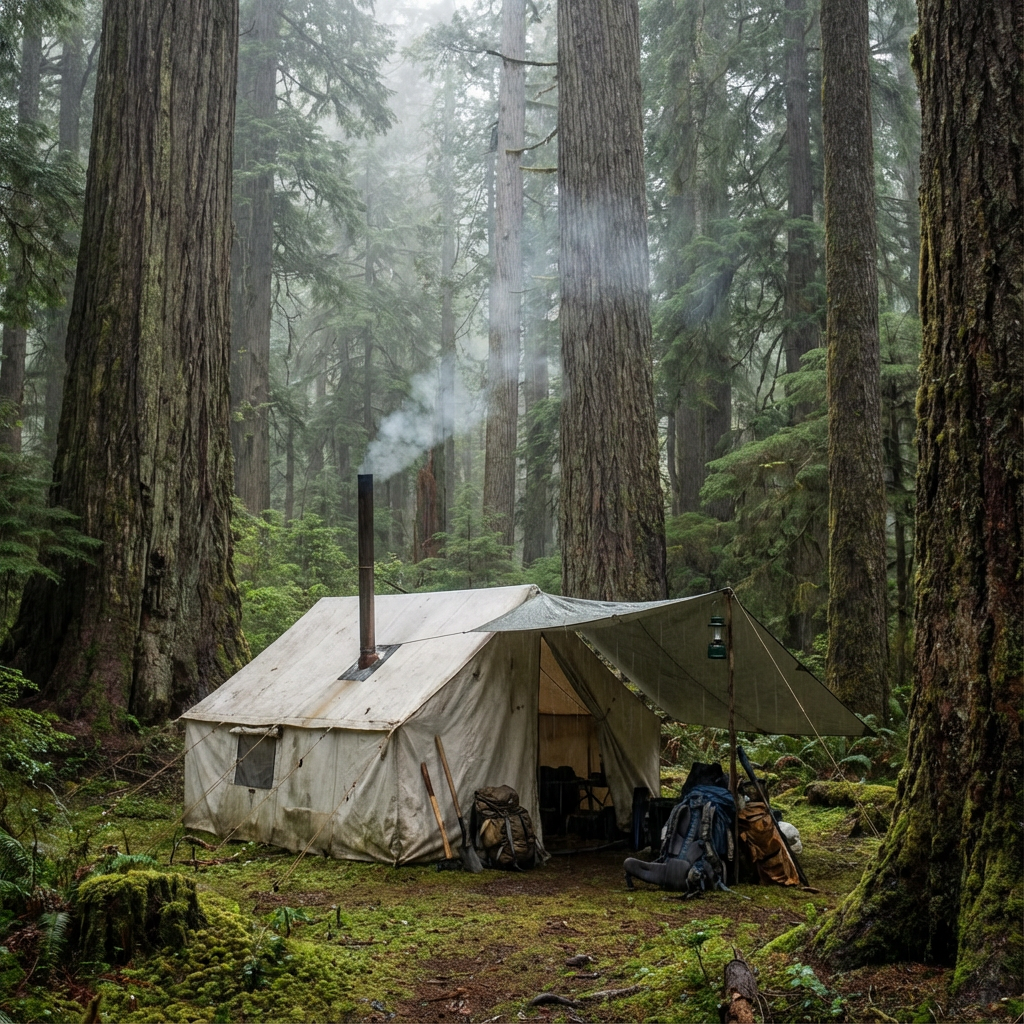
Overview
Banff and Jasper camping combines world-class scenery, accessible mountain trails, and developed campground infrastructure. The Canadian Rockies won't disappoint.
Banff and Jasper National Parks sit as North America’s apex mountain camping destinations—6,641 square kilometers of protected Rocky Mountain landscape with exceptional trail systems, turquoise glacial lakes, infrastructure managed to Swiss-level precision.
These parks attract over 4 million annual visitors. Strategic camping transforms potential chaos into genuine experience. Advance planning, off-peak timing, practical logistics sense deliver transformative mountain camping unavailable elsewhere in the continent.
Park Overview
Banff: Established 1885, spanning 6,641 square kilometers across the Alberta Rockies. Eight developed campgrounds, three backcountry zones, densest trail network in either park. Tourism infrastructure around Banff townsite creates both convenience and challenge.
Jasper: Larger, slightly wilder, less developed tourism presence. Located 287 kilometers north of Banff (4.5-hour drive). Eight developed campgrounds, more extensive backcountry, genuinely remote sections. Lower visitor pressure despite comparable acreage.
Distance: Icefields Parkway connects them—93 kilometers of legendary scenic driving through pristine mountain landscape. The drive itself ranks among world’s greatest road trips.
Campground Strategy
Banff Developed Options:
- Tunnel Mountain Village I & II (1,296 sites total): Massive, busy, but reliable. Book early. Fill June-August. Adequate for base camping despite tourist atmosphere.
- Cascade Campground (138 sites): Mid-size, quieter than Tunnel Mountain, proximity to various trailheads. Better balance than mega-campgrounds.
- Johnston Canyon Campground (140 sites): Southwest of Banff townsite. Family-oriented. Popular with traditional campers. Hiking access excellent.
- Minnewanka Loop (243 sites): North of Banff. Lake Minnewanka’s largest campground. Quieter than townsite options. Water access and fishing.
Jasper Developed Options:
- Whistlers Campground (781 sites): Largest developed campground. Adequate facilities. Can feel impersonal. July-August books solid. June and September offer realistic availability.
- Wapiti Campground: Operating at reduced capacity for 2026 summer season due to 2024 Jasper Wildfire.
- Wabasso Campground: Closed for 2026 camping season.
- Snaring River Campground (66 sites): Backcountry feel with developed amenities. Moose and wildlife sightings increase. Crowds thin dramatically.
- East Portal Campground (38 sites): Smallest, most intimate. Athabasca River proximity. Advanced campground feel. Books solid but offers authentic experience.
Practical Reality: Park developed campgrounds fill through reservation system opening 90 days ahead. Banff reservations opened January 23, 2026 at 8 AM MT. Jasper opened January 27, 2026 at 8 AM MT. Competition remains fierce for summer dates. Booking exactly at opening moment is standard practice.
Backcountry Camping
Both parks maintain extensive backcountry camping available to properly-equipped parties. Reservations through Parks Canada. Quotas manage usage. Permits required.
Banff Backcountry: 3,500+ square kilometers of accessible wilderness. Popular routes include Larch Valley, Sentinel Pass, Egypt Lake with established campsites. 3-5 day trips typical. Permits required.
Jasper Backcountry: 5,000+ square kilometers. Less developed trail infrastructure than Banff. Genuinely remote sections. Tonquin Valley, Maligne Lake approach, Skyline Trail rate as classics. Serious backpacking orientation required.
Permit Reality: Popular backcountry destinations book 90+ days ahead. Flexibility on dates and lesser-known routes increases access dramatically. Solo camping remains more accessible than groups.
Essential Hiking
Banff Top Tier:
- Lake Louise (2.4km, easy): Iconic turquoise lake. Massive crowds. Arrive before 9 AM or skip. Afternoon light offers different character than morning reflection shots.
- Moraine Lake Loop (3.3km, easy-moderate): Mirror-like reflections, stunning basin views, trail climbs above lake for different perspectives.
- Sentinel Pass (5.5km, moderate-challenging): Serious elevation gain (655m) with corresponding reward—views across Banff’s highest peaks.
- Larch Valley (2.4km, easy): Golden larch forest in September creates legitimate alpine meadow experience. Off-season (October) delivers solitude with genuine beauty.
Jasper Top Tier:
- Maligne Lake Shoreline (3.2km, easy): Accessible walk with mountain reflections and wildlife sightings. Canoe options extend experience.
- Tonquin Valley (10.2km one-way, moderate-challenging): Backcountry gateway trail with meadow camping and genuine mountain isolation.
- Skyline Trail (44.2km, challenging): Multi-day backcountry classic. Requires 3+ days minimum. Rewards justify effort.
- Wilcox Pass (4km, moderate): Athabasca Glacier views without requiring Glacier House crowding.
Practical Essentials
Canadian Entry: U.S. citizens require valid passport (enhanced driver’s license acceptable). Customs enforcement at park boundaries remains minimal but documents check remains standard.
Reservation Timing: Parks Canada opens reservations 90 days ahead via reservation.pc.gc.ca. Sites release at 8 AM Mountain Time exactly. Booking at opening moment remains competitive necessity for July/August dates.
Park Passes: Important note—from June 19 to September 7, 2026, admission to Banff and Jasper National Parks is FREE through the Canada Strong Pass initiative. Outside this period: Daily pass around $11.25 CAD per adult, $9.60 per senior (65+), free for youth under 18. Family/group daily passes around $22.50. Annual Discovery Pass around $83.50 adult, $167.50 family/group. Annual passes make sense for repeat visitors. Note: 10.7% CPI increase took effect January 1, 2026.
Timing Strategy:
- June: Parks opening season. Trails transitioning to snow-free. Water levels high from snowmelt. Crowd levels manageable. Weather variable.
- July-August: Peak season. All trails snow-free. Weather most reliable. Accommodation booking solid. Crowds significant.
- September: Optimal balance—weather remains excellent. Larch trees turn gold (Banff high country). Water levels drop creating spectacular clarity. Crowds thin 30-40%. Lake temperatures climb to swimmable levels (barely).
Weather Reality: Mountain weather changes rapidly. Snow remains possible above 2,000m year-round. Wind intensifies at elevation. Layer appropriately. Bring emergency shelter always.
Supplies: Stock groceries at park gates (limited selection, premium pricing) or Banff/Jasper townsite (full selection, regular pricing). Most campgrounds include basic supplies. Don’t rely on in-park availability.
Experience Optimization
Advance Skills: Both parks reward hiking experience. Trail navigation, weather reading, elevation confidence transform experience from survival to enjoyment. Casual hikers manage easy trails well. Moderate-difficult trails require genuine fitness.
Photography: Turquoise glacier-fed lakes, dramatic peaks, substantial weather phenomena create exceptional photography opportunities. Professional photographers produce stock-quality images regularly. Casual photography captures memories easily.
Crowds Management: Tourist concentration peaks mid-July through mid-August, 10 AM–4 PM daily. Early morning and evening hiking, or shoulder-season timing (June, September, early October) dramatically reduce crowds without sacrificing experience quality.
Solitude Strategy: Lesser-known trailheads, backcountry camping, off-peak timing unlock genuine solitude. Popular destinations can feel overrun. Willingness to explore alternatives transforms experience.
The Experience
Banff and Jasper deliver mountain camping at continental scale—exceptional geology, accessible infrastructure, developed trail networks. Two weeks across both parks barely scratches the surface. Most campers spend 4-7 days per park for first visits.
The parks demand respect: weather can turn serious, elevation affects physiology, preparation matters. But preparation delivers experience matching international reputation. These parks remain worth the effort.
See you out there. Happy Camping! 🏕️
More in Destinations
Keep reading.
Grand Canyon Camping Guide: South Rim, North Rim, and Below the Rim
The real guide to camping the Grand Canyon. Mather, Desert View, North Rim, backcountry permits, and the Havasupai trip of a lifetime.
Shenandoah Camping Guide: Skyline Drive, Fall Foliage, and the Best Campgrounds
Camp Shenandoah National Park right. Big Meadows, Loft Mountain, Lewis Mountain, Appalachian Trail access, and the best fall foliage camping on the East Coast.
Yellowstone Camping Guide: Best Campgrounds, Tips, and Seasons
Everything you need to camp Yellowstone right. Top campgrounds, reservation strategy, wildlife safety, and the gear that actually matters.