Best Camping Axes and Hatchets
Master the wood. We tested the best camping axes and hatchets for firewood processing, from compact ultralight tools to full-featured camp axes.
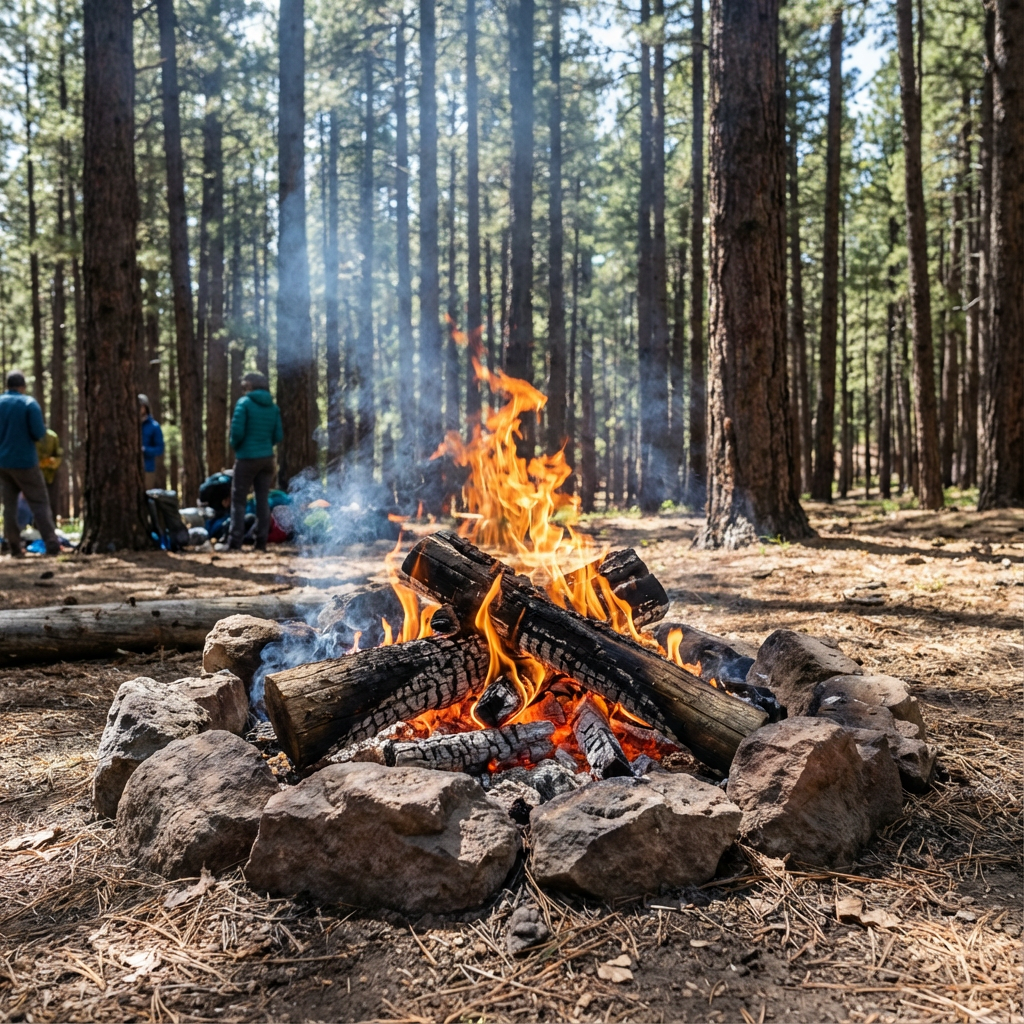
Overview
A sharp hatchet separates comfortable campers from those huddling around weak fires. Here are the best options for chopping wood.
Confidently processing firewood with a sharp hatchet is one of those camp skills that just feels right. The right tool transforms a pile of branches into properly-sized fuel with satisfying swings. Poor choices—dull blades, awkward weight distribution, flimsy construction—turn wood prep into frustration.
Axe vs Hatchet: Understanding the Difference
Before diving into recommendations, clarifying terminology helps. Many campers use these terms interchangeably, but meaningful differences exist.
Hatchets feature shorter handles (typically 10-16 inches) designed for one-handed use. They excel at kindling preparation, limbing small branches, and light splitting tasks. Pack weight stays manageable. Most backpackers and car campers reach for hatchets.
Camp axes stretch longer (16-24 inch handles) and demand two-handed swings. Greater leverage means more splitting power for larger rounds. Weight increases accordingly. These suit established camps where serious firewood processing happens regularly.
Full-size axes (24+ inch handles) belong at cabins and fixed camps. Too heavy for trail carry, too powerful for casual use. We’re not covering those here.
For most camping scenarios, a quality hatchet handles everything needed. Camp axes earn consideration when processing substantial firewood quantities or tackling hardwoods regularly.
Methodology
I tested each hatchet on actual firewood. Blade sharpness, swing comfort, weight efficiency, durability, field performance across various wood types and moisture levels. I prioritized tools that balance pack weight with genuine capability—no ultralight compromises that sacrifice function.
Our Top Picks
1. Gransfors Bruk Small Forest Axe - Around $210
Swedish engineering excellence
Gransfors Bruk axes are the gold standard. 1.75 lbs, carbon steel blade, hickory handle. Each axe is hand-forged and stamped with the smith’s initials. The blade geometry feels perfect after first swing: sharp enough to split cleanly, robust enough for rigorous use.
Expensive because it deserves to be.
- Weight: 1.75 lbs
- Blade material: Carbon steel
- Handle: Hickory
- Best for: Serious campers, long-term investment, traditional tools
2. ESTWING Camper’s Axe - Around $45-60
Budget-friendly reliability
The ESTWING Camper’s Axe proves excellent tools don’t require Swedish smiths. All-steel one-piece construction eliminates handle breakage—there’s nothing to fail. 1.5 lbs. Lightweight for backpack transport, substantial enough to split firewood. Vinyl grip feels secure when damp.
Shows up at hunting camps and construction sites for good reason.
- Weight: 1.5 lbs
- Blade material: Chrome-plated steel
- Handle: Solid steel with vinyl grip
- Best for: Budget campers, first hatchet, durability seekers
3. Fiskars X7 Hatchet - Around $30
Affordable modern design
Fiskars’ plastic-handled hatchet revolutionized casual tool buying. 1.5-lb head balances easily. Fiberglass handle absorbs shock better than wood. Blade geometry favors ease over brute force—perfect for weekend campers processing birch and pine. The price means no regret if lost on trail.
- Weight: 1.5 lbs
- Blade material: Steel with nonstick coating
- Handle: Fiberglass with textured grip
- Best for: Budget beginners, car camping, occasional wood processing
4. Cold Steel Trail Hawk - Around $40
Aggressive geometry for chopping
Cold Steel’s Trail Hawk combines aggressive geometry with modern materials. 1.4-lb head features curved blade edge designed for the satisfying crack of splitting wood. Drop-forged 1055 carbon steel. American hickory handle provides excellent grip. This isn’t fancy Swiss craftsmanship—it’s tactical and effective.
- Weight: 1.4 lbs
- Blade material: 1055 carbon steel
- Handle: American hickory
- Best for: Active campers, regular firewood processing
5. Husqvarna Carpenter’s Axe - Around $60
Garden-center competence
Husqvarna’s outdoor tool reputation extends to axes. 1.3-lb model features better blade geometry than entry-level options while costing less than premium brands. Hickory handle. Balanced head delivers efficient swings. Available at most hardware stores nationwide—no specialty hunting required.
Replacement heads and handles available locally.
- Weight: 1.3 lbs
- Blade material: Carbon steel
- Handle: Hickory
- Best for: Local availability, replacement part accessibility, balanced performance
6. Gerber Bear Grylls Survival Hatchet - Around $30
Lightweight backup tool
The Gerber weighs just 1.1 lbs. Rubberized handle. Includes sheath with built-in sharpener (gimmicky but functional). This isn’t your primary firewood processor—it’s a backup tool for car camping or casual use. Works fine for kindling and small wood.
- Weight: 1.1 lbs
- Blade material: Stainless steel
- Handle: Rubber overmold
- Best for: Lightweight backup, casual camping, survival kits
Understanding Axe Geometry
Hatchet design affects chopping satisfaction:
- Thick blade with steep angle: Better for splitting; requires more force
- Thin blade with shallow angle: Better for chopping; less force required
- Curved edge: Natural swing motion; feels intuitive
- Straight edge: Requires precise technique; more versatile
Consider usage: splitting wood favors thick geometry, general wood processing favors thinner, lighter options.
Safety Essentials
Hatchets demand respect. Sharp steel moving at speed creates real hazards. Following proper safety practices prevents hospital visits and keeps camping trips enjoyable.
- Sharp blade is safer: Dull tools require excessive force that leads to accidents. A sharp edge bites cleanly where aimed; a dull blade skips unpredictably. Maintain edge regularly
- Proper technique: Swing from hips, not shoulders. Let gravity assist. Keep wrists locked through impact
- Secure footing: Never chop on unstable ground or while tired. Fatigue causes mistakes
- Eye protection: Small splinters travel fast. Simple glasses save eyes
- Clear the area: Ensure nobody stands within two arm-lengths plus tool length. Bystanders catch errant swings
- Use a chopping block: Elevate wood on a stable surface. Ground-level chopping strains backs and invites blade-to-dirt contact
- Store carefully: Sheath your blade immediately after use. Don’t leave it unattended or blade-up in camp
Maintenance and Care
A well-maintained hatchet performs better and lasts decades. Neglected tools degrade quickly and become dangerous.
Sharpening: Use a file or whetstone to maintain edge geometry. Work at the original bevel angle—usually 25-30 degrees for camping hatchets. A few passes after each trip prevents major restoration work later. Carry a small diamond sharpener for field touch-ups.
Rust prevention: Carbon steel blades rust without protection. Wipe blades dry after use. Apply light machine oil or dedicated tool wax before storage. Even brief moisture exposure starts oxidation.
Handle care: Wooden handles benefit from occasional linseed oil treatment. This prevents drying, cracking, and loosening. Inspect handles before each trip—hairline cracks become complete failures mid-swing.
Head tightness: Wooden-handled hatchets loosen over time. If the head wobbles, soak in water overnight (traditional method) or replace the wooden wedge. Never use a loose-headed tool.
Storage: Keep hatchets sheathed in dry locations. Leather sheaths need occasional conditioning. Avoid storing in damp garages or sheds where humidity accelerates corrosion.
Final Thoughts
Ultralight backpackers: consider skipping the hatchet entirely or go with the lightweight Gerber. Weekend car campers: get incredible value from ESTWING or Fiskars—both serve faithfully for years. Premium quality seekers: invest in Gransfors Bruk and expect lifelong service.
Firewood processing becomes meditative when you’re equipped right. Sharp blade, balanced head, comfortable swing—suddenly your campfire feels within reach.
Few gear investments offer better return than a quality hatchet.
Choose wisely, camp often. Happy Camping! 🏕️
More in Gear Reviews
Keep reading.

Best Camping Cookware Sets 2026: From Budget to Ultralight
We cooked hundreds of meals to find the best camping cookware sets. Aluminum, titanium, and stainless steel tested head-to-head.
Best Camping Pillows 2026: Tested Head-to-Head
We tested the top camping pillows for comfort, packability, and real sleep quality. These are the ones worth buying.
Best Dry Bags for Camping 2026: Keep Your Gear Bone Dry
We tested dry bags in downpours, river crossings, and canoe trips. These are the ones that actually keep water out.