Best Camping Lanterns for Your Next Outdoor Adventure
Find the perfect camping lantern for your trips. Compare LED vs fuel options, learn lumen ratings, and discover features that matter for different camping styles.
Overview
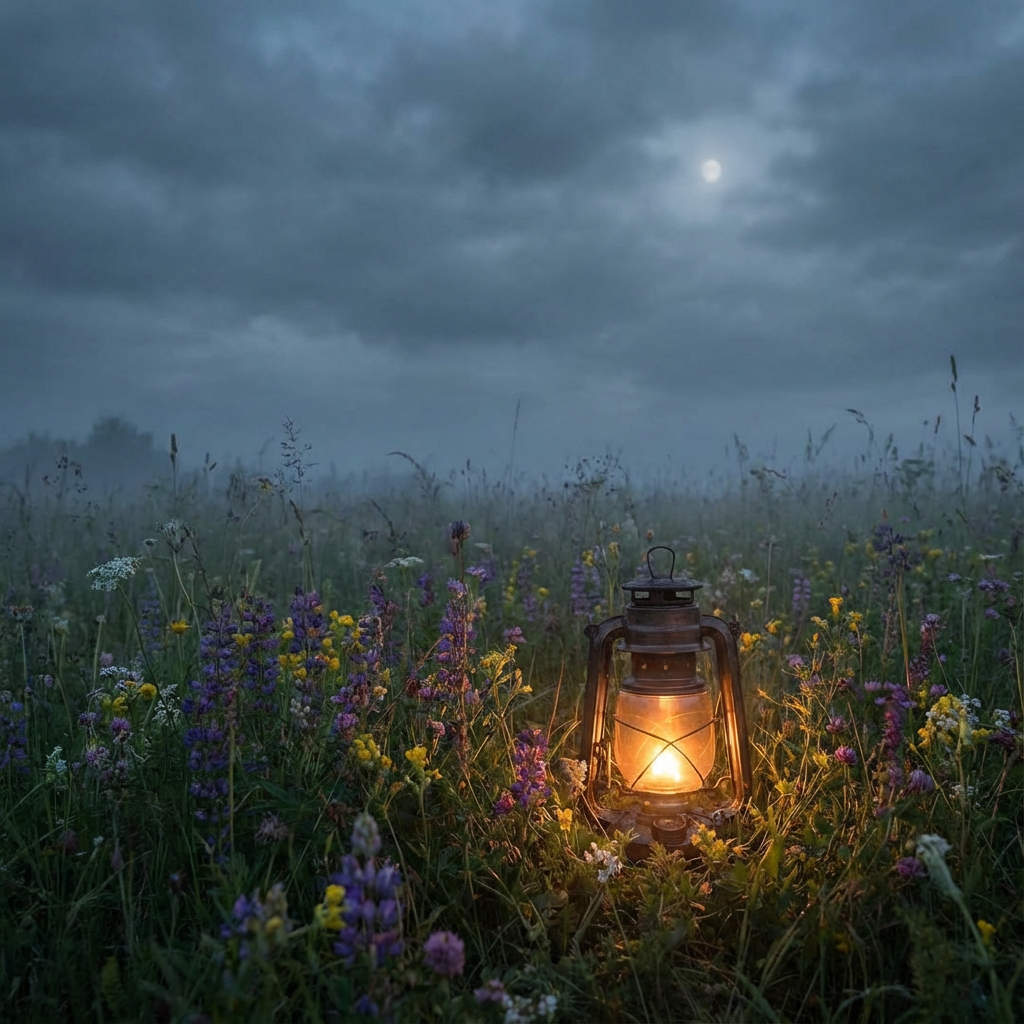
Nothing beats the glow of a good lantern after sunset. Our guide to the best camping lanterns for your next adventure.
Why a Lantern Changes Everything
A headlamp is essential for hands-free tasks, but there’s something a lantern does that nothing else can: it creates atmosphere. Set one on a picnic table, hang it from a branch, or place it inside your tent, and suddenly you’ve got ambient light that makes camp feel like home.
We’ve spent countless nights testing lanterns in every condition—from windy ridgelines to humid summer lowlands. Here’s what we’ve learned about picking the right one.
LED vs. Fuel-Powered Lanterns
The great debate. Both have their place, and the right choice depends on how you camp.
LED Lanterns
Pros:
- No fuel to carry or spill
- Safe inside tents (no fire risk or carbon monoxide)
- Instant on/off with adjustable brightness
- Longer runtimes on modern batteries
- Lightweight and compact
Cons:
- Battery dependent (pack spares or bring a charger)
- Light quality can feel harsh on cheaper models
- Less heat output (a pro in summer, con in cold)
Fuel Lanterns (Propane/Butane)
Pros:
- Warmer, more natural light quality
- Reliable in extreme cold (batteries struggle below freezing)
- Provides some heat for chilly nights
- That classic camping ambiance
Cons:
- Requires fuel canisters
- Fire hazard—never use in enclosed spaces
- Fragile mantles can break in transport
- Heavier and bulkier overall
Our take: For most campers, LED is the way to go. It’s safer, more versatile, and technology has closed the gap on light quality. But if you’re a car camper who loves that nostalgic warm glow and camps mostly in cold weather, a fuel lantern still has its charm.
Lumens Explained: How Much Light Do You Actually Need?
Lantern manufacturers love throwing around big lumen numbers. But here’s the reality check:
- 100-200 lumens: Soft ambient light, perfect for in-tent reading or a romantic dinner setup
- 200-400 lumens: The sweet spot for most camp tasks—cooking, card games, general hanging out
- 400-600 lumens: Bright enough to light a larger area or group site
- 600+ lumens: Serious brightness for base camps or emergency situations
More lumens isn’t always better. A 1,000-lumen lantern on full blast will blind everyone at camp, drain batteries fast, and attract every bug in a three-mile radius. We find ourselves using medium settings most of the time.
Pro tip: Look for lanterns with multiple brightness levels and a low/night mode. Dimming down saves battery and your night vision.
Features Worth Paying For
USB Charging
Rechargeable lanterns have gotten excellent. Look for USB-C charging—it’s faster and increasingly universal. Some models double as power banks to charge your phone, which is genuinely useful on longer trips.
Hanging Options
A lantern you can’t hang is only half a lantern. Look for built-in hooks, carabiners, or collapsible handles. The best designs hang securely and sit stable on uneven surfaces.
Water Resistance
IPX4 rating handles rain and splashes. If you camp in wet climates or want peace of mind, aim for IPX6 or higher. A lantern that dies in a drizzle is a lantern that’ll let you down.
Red Light Mode
Just like on headlamps, red light preserves night vision and won’t disturb sleeping campmates. Not essential, but a nice bonus for late-night tent use.
Light Distribution
Some lanterns throw light in all directions (360-degree), while others are more directional. For area lighting, you want omnidirectional. Some models offer adjustable panels or diffusers for flexibility.
What to Look For By Camping Style
Car Camping
Go big. Weight doesn’t matter when you’re driving to your site. Look for high-output lanterns with long runtimes, dual-fuel options, or solar charging panels. A power bank feature is a bonus.
Backpacking
Every ounce counts. Ultralight LED lanterns under 4 oz exist and work surprisingly well. Collapsible designs pack flat. Skip the fuel lanterns entirely—they’re too heavy and bulky.
Family Camping
Safety first. LED only, especially with kids around. Look for shatterproof designs and lanterns without small parts. Multiple low-brightness settings help with bedtime routines.
Winter Camping
Cold kills batteries. Lithium batteries perform better than alkaline in freezing temps. Keep your lantern (and spare batteries) in your sleeping bag at night. Fuel lanterns actually shine here—literally.
Practical Tips for Lantern Use
Hang it high. Light from above casts fewer shadows and illuminates more area. Most tents have ceiling loops for exactly this purpose.
Diffuse harsh LEDs. A white stuff sack or t-shirt over a bright lantern softens the light beautifully. Some lanterns come with removable diffuser covers.
Use the right mode. Full brightness is rarely necessary. Medium or low saves batteries and is easier on everyone’s eyes.
Bring backup. A dead lantern at dusk is miserable. Carry spare batteries, a backup light, or a headlamp as a fallback.
Mind the bugs. Light attracts insects. If bugs are bad, keep lanterns away from cooking and eating areas, or use red light mode which attracts fewer insects.
Store batteries separately. For long-term storage, remove batteries to prevent corrosion. This extends your lantern’s lifespan significantly.
The Bottom Line
A good camping lantern isn’t just functional—it transforms your campsite into somewhere you actually want to be after dark. For most campers, a rechargeable LED lantern in the 300-400 lumen range with USB-C charging and a hanging hook covers all the bases.
Spend a bit more for quality construction and water resistance. Your future self, sitting around camp with good light while others fumble in the dark, will thank you.
Happy Camping! 🏕️
More in Gear Reviews
Keep reading.
Best Camping Cookware Sets 2026: From Budget to Ultralight
We cooked hundreds of meals to find the best camping cookware sets. Aluminum, titanium, and stainless steel tested head-to-head.
Best Camping Pillows 2026: Tested Head-to-Head
We tested the top camping pillows for comfort, packability, and real sleep quality. These are the ones worth buying.
Best Dry Bags for Camping 2026: Keep Your Gear Bone Dry
We tested dry bags in downpours, river crossings, and canoe trips. These are the ones that actually keep water out.