Best Summer Sleeping Bags: Stay Cool & Comfortable
Find the perfect summer sleeping bag to stay cool and comfortable on warm nights. We tested top-rated options from quilts to traditional bags for warm-weather camping.
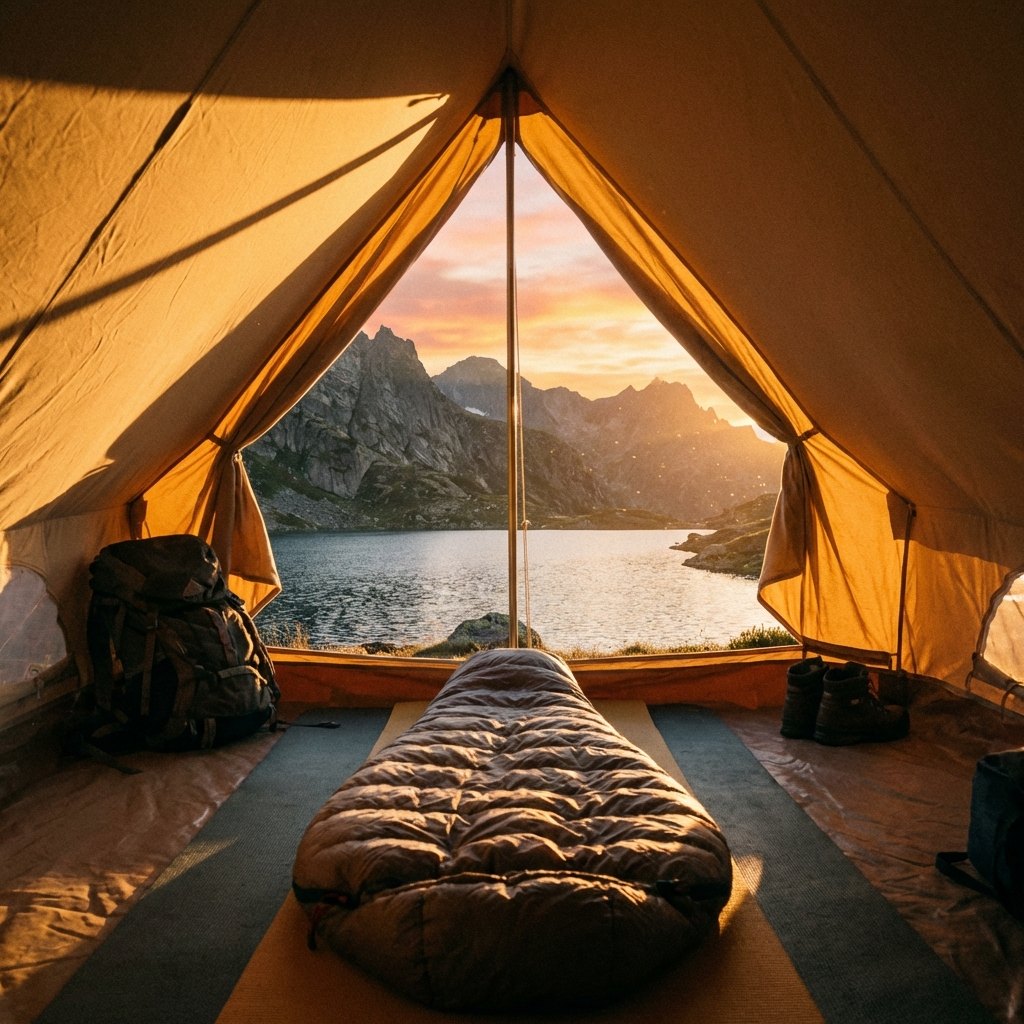
Overview
Hot sleeper? Same. These summer bags actually keep you cool without sacrificing comfort. Our tested picks for warm-weather camping.
The Summer Sleeping Bag Struggle Is Real
We’ve all been there: it’s 2 AM, you’re wide awake in a puddle of your own sweat, desperately unzipping your sleeping bag while mosquitoes circle. Your 20-degree bag seemed like a versatile choice at the store, but now it’s suffocating you in 65-degree weather.
Summer camping demands different gear. A warm-weather sleeping bag isn’t just about surviving the night—it’s about waking up refreshed and ready to hit the trail, not exhausted and overheated.
Understanding Temperature Ratings for Summer
Here’s the thing about temperature ratings: they work differently in warm weather. While cold-weather bags are rated for survival, summer bags are rated for comfort. A 40°F bag means you should be comfortable down to about 40 degrees.
Quick Temperature Guide:
- 50°F+ rating: True summer, warm nights only
- 40-50°F rating: Versatile three-season use
- 35-40°F rating: Spring/fall crossover, cooler mountain nights
Pro tip: If you run hot (and you probably do if you’re reading this), go 10 degrees warmer than you think you need. A 50°F bag for 40-degree nights? Perfect.
Quilt vs. Traditional Sleeping Bag
This is where summer camping gets interesting. Quilts have exploded in popularity, and for good reason.
Sleeping Quilts
Pros:
- Lighter weight (no back insulation you’re crushing anyway)
- More versatile temperature regulation
- Open design prevents overheating
- Often cheaper than equivalent bags
Cons:
- Learning curve for attachment systems
- Can feel drafty if not properly secured
- Less intuitive for beginners
Traditional Sleeping Bags
Pros:
- Familiar, predictable warmth
- No setup required—just climb in
- Better for restless sleepers who move a lot
- Works as a blanket when fully unzipped
Cons:
- Heavier for the same warmth
- Less temperature flexibility
- Back insulation is essentially dead weight
Our verdict: If you’re a side sleeper who doesn’t toss much, try a quilt. If you’re a restless sleeper or new to lightweight camping, stick with a bag that fully unzips for ventilation.
Features That Actually Matter in Summer
1. Full-Length Zippers
A sleeping bag that only zips halfway is useless when you need to vent heat. Look for bags with two-way zippers or dual side zips. The ability to stick a leg out? Priceless.
2. Breathable Shell Fabrics
Skip the waterproof-coated shells. They trap moisture and heat. Look for uncoated nylon or polyester that lets your body breathe.
3. Lightweight Insulation
For summer, you don’t need 800-fill down. Synthetic insulation or lower-fill-power down (550-650) keeps things light and affordable without overheating you.
4. Pad Attachment Points
If you’re using a quilt or semi-rectangular bag, straps or loops that clip to your sleeping pad prevent drafts and keep everything in place.
5. Stuff Sack Size
Summer bags should pack small—we’re talking under 3 liters for ultralight options. If it’s taking up half your pack, it’s not a summer bag.
What to Consider When Buying
Your Typical Camping Temperatures: Be honest. Are you beach camping in San Diego or mountain camping in Colorado? The answer changes everything.
Your Sleep Style: Hot sleepers should go warmer on ratings. Cold sleepers might want a 35°F bag even for summer.
Weight Priority: Backpackers need to count ounces. Car campers can prioritize comfort and features.
Ventilation Options: The more ways to open it, the more useful it becomes across temperature ranges.
Packed Size: Summer gear should leave room for other essentials. A compact stuff sack matters.
Care and Longevity
Summer bags take a beating—more frequent use, more sweat, more washing needed. Here’s how to make yours last:
- Air it out every morning — moisture is the enemy of insulation
- Use a liner — keeps the inside clean and adds a few degrees of warmth when needed
- Wash after heavy use — summer bags get funky fast; don’t be afraid to clean them
- Store uncompressed — hang it or use a large mesh bag between trips
- Avoid direct sunlight for storage — UV degrades nylon over time
Matching Your Bag to Your Trip
Desert Camping (Joshua Tree, Moab): Look for a 50°F+ bag with full zip-open capability. Nights can still get chilly, but you’ll mostly want airflow.
Mountain Backpacking (Rockies, Sierra Nevada): Temperatures can drop into the 30s even in summer. A 35-40°F bag or quilt gives you the safety margin you need.
Beach/Coastal Camping: Humidity is the enemy. Synthetic insulation handles moisture better than down for coastal trips.
Car Camping: Weight doesn’t matter. Get the most comfortable, roomiest bag you can find. Rectangular bags that fully open into blankets are perfect.
The Bottom Line
Summer sleeping bags are about one thing: not overheating while still being prepared for temperature drops. The best choice depends on where you camp, how you sleep, and how much weight you’re willing to carry.
For most warm-weather campers, a 40°F bag with full-length zippers hits the sweet spot—warm enough for unexpected cold snaps, ventilated enough for sticky nights. If you’re ready to experiment, quilts offer the ultimate in temperature regulation and weight savings.
Don’t let a stuffy sleeping bag ruin your summer adventures. The right bag makes the difference between counting stars and counting sheep.
Happy Camping! 🏕️
More in Gear Reviews
Keep reading.
Best Camping Cookware Sets 2026: From Budget to Ultralight
We cooked hundreds of meals to find the best camping cookware sets. Aluminum, titanium, and stainless steel tested head-to-head.
Best Camping Pillows 2026: Tested Head-to-Head
We tested the top camping pillows for comfort, packability, and real sleep quality. These are the ones worth buying.
Best Dry Bags for Camping 2026: Keep Your Gear Bone Dry
We tested dry bags in downpours, river crossings, and canoe trips. These are the ones that actually keep water out.