Camping with Dogs: Complete Tips for Your Adventure
Bring your dog camping safely and happily. Essential gear, campsite selection, safety tips, and etiquette for dog-friendly outdoor adventures you'll both enjoy.
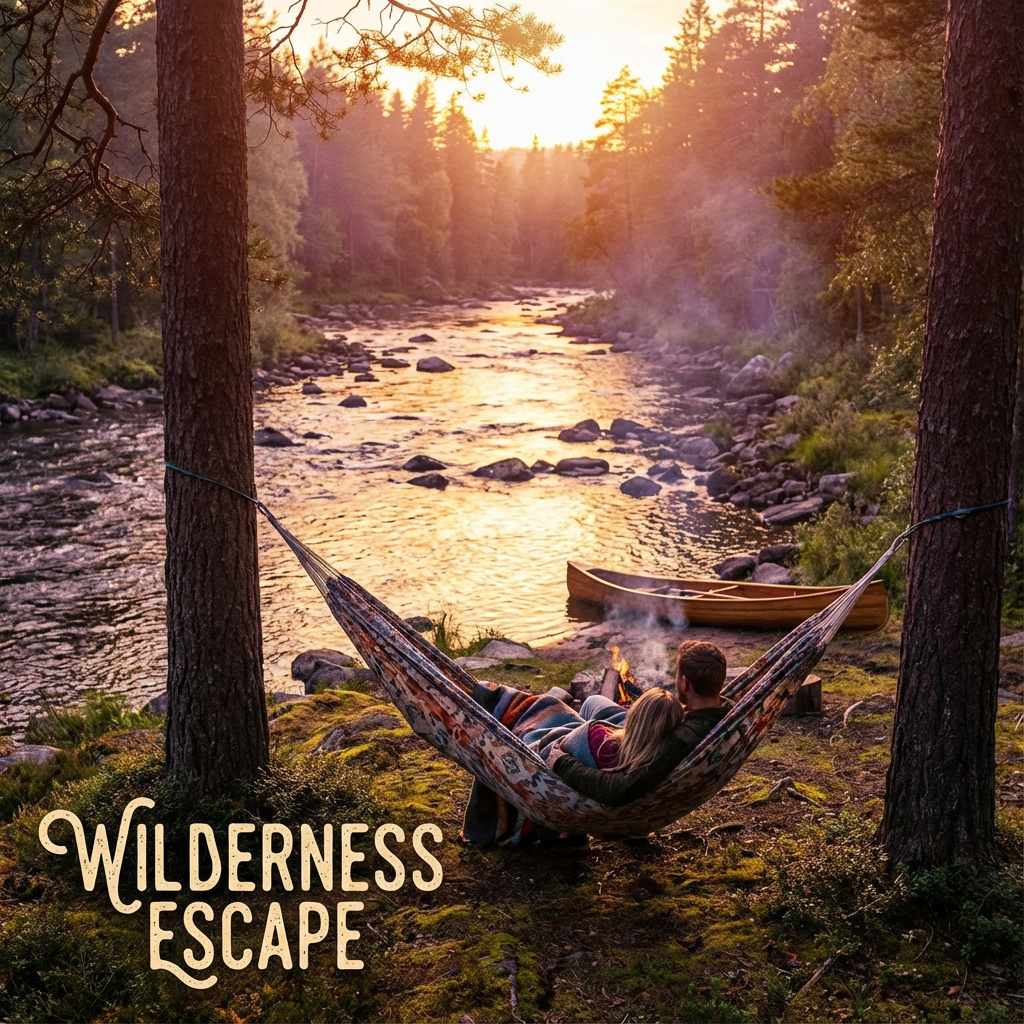
Overview
Your pup deserves an adventure too! Tips for the ultimate dog-friendly camping trip 🐕🏕️
There’s something magical about watching your dog experience the wilderness for the first time. The wide eyes, the endless sniffing, the pure joy of running through an open meadow. Camping with your canine companion doubles the adventure and creates memories that last a lifetime. But a successful trip requires some planning. Here’s how we make every camping trip with our furry friends a paw-fect one.
Essential Gear for Your Four-Legged Camper
Before hitting the trail, we need to pack smart for our pups. Think of it as building a doggy go-bag that covers all the bases.
The Must-Haves:
A sturdy 6-foot leash is non-negotiable at most campgrounds. We also recommend bringing a longer tie-out line (15-30 feet) so your dog has room to roam around camp while staying secure. Collapsible water and food bowls save space and make hydration stops on hikes a breeze.
Your dog’s regular food is essential. Now isn’t the time to experiment with new brands since upset stomachs are no fun in the backcountry. Pack about 25% more than usual because outdoor activity burns extra calories.
A portable dog bed or sleeping pad gives your pup a designated spot and keeps them off the cold ground at night. Many dogs love having their own “place” in an unfamiliar environment. Bring their favorite blanket from home if it helps them settle.
Game-Changers We Love:
Dog booties protect paws from hot sand, sharp rocks, and rough terrain. A lightweight dog jacket is clutch for chilly mornings or unexpected weather changes. And don’t forget a LED collar light for evening bathroom breaks so you can easily spot your wandering pup.
Choosing a Pet-Friendly Campsite
Not all camping spots welcome dogs, and restrictions vary wildly. We always do our homework before booking.
National Forests tend to be the most dog-friendly, often allowing dogs on trails and at campsites with minimal restrictions. State Parks are hit or miss and typically require leashes. National Parks are generally the most restrictive since many trails prohibit dogs entirely, though campgrounds usually allow leashed pets.
When browsing campgrounds, look for sites with natural barriers like trees or bushes that create a sense of enclosure. Corner or end-of-loop sites give you more space and fewer neighbors to disturb if your dog gets excited.
We prefer sites near water access when possible. A quick swim cools dogs down fast on hot days and tired dogs make for peaceful evenings at camp.
Pro tip: Call ahead even if the website says “pet-friendly.” Some sites have breed or size restrictions, and confirmation saves headaches.
Safety Tips Every Dog Owner Should Know
The wilderness presents hazards that our living room floors don’t. Keeping your pup safe means staying aware and prepared.
Wildlife awareness is critical. Keep your dog leashed when hiking through areas with bears, moose, or mountain lions. An off-leash dog can provoke wildlife into defensive behavior or lead a predator right back to you. Even a harmless-looking squirrel chase can end with a lost dog in unfamiliar terrain.
Hydration matters more than you think. Dogs can’t regulate body temperature like we do and overheat quickly. We offer water every 15-20 minutes on hikes and watch for warning signs like excessive panting, drooling, or lagging behind. Bring more water than you think you need.
Paw checks should happen daily. Inspect between the toes for thorns, cuts, and irritation. Hot pavement and rocky trails can cause painful pad injuries that sideline your adventure.
Pack a dog-specific first aid kit with items like tick removers, styptic powder for nail bleeds, gauze, and antiseptic wipes. Know the location of the nearest emergency vet before you leave home.
Toxins to avoid: Certain plants, mushrooms, and standing water can make dogs seriously ill. If your pup drinks from every puddle at home, break that habit before camping. Giardia and other waterborne parasites don’t discriminate between species.
Keeping Your Dog Comfortable
A comfortable dog is a happy dog, and a happy dog means a better trip for everyone.
Establish routines early. Feed and walk your dog at roughly the same times you would at home. Familiar patterns help anxious dogs settle in strange environments.
Create a home base at your campsite. Set up their bed, bowls, and a favorite toy in one spot. Dogs thrive when they know where “their” space is. Some owners bring a small pop-up shade tent just for their pup.
Exercise before downtime. A good hike or play session before sunset helps burn off energy. Tired dogs sleep better and bark less at every nocturnal critter sound.
Nighttime setup depends on your dog’s personality. Many dogs sleep happily inside the tent, curled up on their bed. Others prefer being outside under the stars. If your dog sleeps outside, ensure they’re securely tied and have shelter from wind and dew.
Temperature matters after dark. Even summer nights can drop significantly. A dog jacket or extra blanket keeps short-haired breeds cozy. Conversely, watch for overheating in thick-coated dogs if nights stay warm.
Campsite Etiquette
Being a good neighbor makes dog-friendly camping accessible for everyone who follows.
Always clean up after your dog immediately. Bring plenty of waste bags and pack out what you pack in. Nobody wants to step in a “present” on their morning walk to the bathroom.
Keep barking under control. Some dogs alert at every sound in the forest, which doesn’t make for happy neighbors at 2 AM. If your dog is a barker, work on the “quiet” command at home first, or consider a campground loop away from other sites.
Respect leash rules even if your dog has perfect recall. Other campers may have reactive dogs, young children, or simply prefer not to have a strange dog bound up to their picnic table.
Making Memories Together
Camping with your dog strengthens your bond in ways that daily walks simply can’t match. There’s something about navigating the outdoors together, sharing a tent under the stars, and watching them discover new sights and smells that creates an unshakeable connection.
Start with short trips if your dog is new to camping. One or two nights at a nearby campground lets you troubleshoot gear and routines without high stakes. Once you’ve dialed in the system, longer adventures await.
The trail is calling, and your best friend is ready to answer. With the right preparation, every trip can be a tail-wagging success.
Happy Camping! 🏕️
More in How-To Guides
Keep reading.
Camping in Bear Country: Safety Guide
Learn bear behavior and proven safety strategies to camp confidently in bear country. Understand prevention, deterrents, and response tactics that keep you safe.
First-Time Car Camping: The Complete Checklist
Your essential guide to car camping without the overwhelm. Pack smart, plan ahead, and enjoy your first trip confidently with this comprehensive checklist.
How to Keep Food Cold Without Ice
Master proven techniques to keep your camping food fresh and cool without relying on ice. Learn passive cooling, insulation strategies, and smart food planning.