Colorado Dispersed Camping: Ultimate Guide to Free Camping
Master free dispersed camping across Colorado's National Forests and BLM land. Learn the rules, best locations, how to find hidden spots, essential gear, and leave-no-trace practices for wild camping.
Overview
Free camping with million-dollar views? Colorado's dispersed camping is the local secret to escaping crowded campgrounds 🏔️⛺
What Is Dispersed Camping?
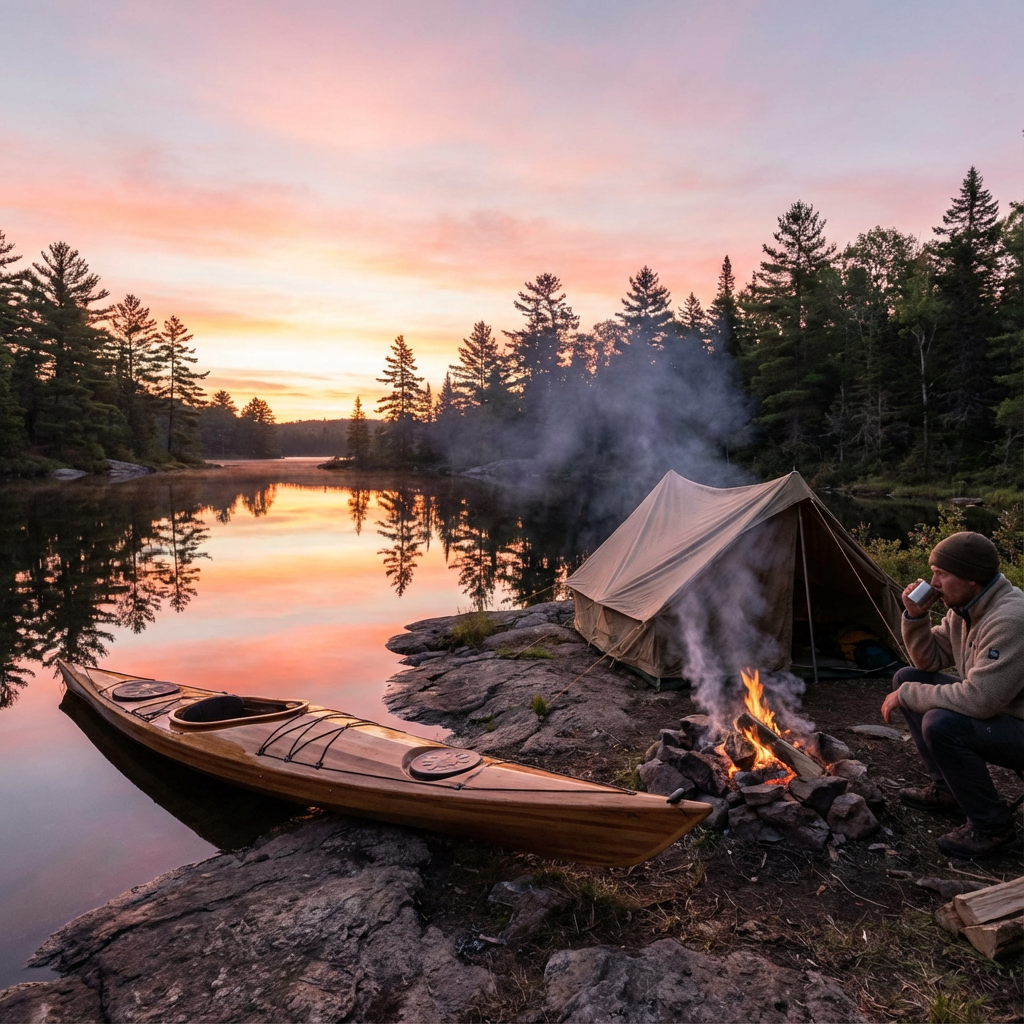
Dispersed camping means camping outside of designated campgrounds on public land—typically National Forest or BLM land. No reservations. No fees. No neighbors (usually). Just you and the mountains.
Colorado has millions of acres of public land where this is legal, and once you know how to find spots, you’ll never fight for a campground reservation again.
The Rules
The Basics (Most National Forests)
- Camp at least 100 feet from water sources
- 14-day stay limit (then move at least 3 miles)
- Use existing fire rings or pack a fire pan
- Pack out ALL trash
- No camping within designated wilderness without a permit (check the specific area)
Fire Restrictions
This is crucial. Colorado has fire restrictions that change based on conditions:
- Stage 1: No fires outside of developed campgrounds
- Stage 2: No fires, no smoking, sometimes no camping
- Check current restrictions at Colorado.gov or the specific forest’s website
Motor Vehicle Use
Stay on designated roads. Many dispersed camping areas require high-clearance or 4WD. The Motor Vehicle Use Map (MVUM) for each forest shows where vehicles are allowed.
Best Areas for Dispersed Camping
San Juan National Forest
Location: Southwest Colorado, near Durango
This is dispersed camping paradise. Forest roads climb into alpine meadows with views of 14,000-foot peaks.
Top spots:
- Coal Bank Pass area (Hwy 550)
- Lime Creek Road (FR 591)
- Chris Park Road (near Vallecito)
What to expect: High altitude (9,000-11,000 ft), afternoon thunderstorms, stunning scenery.
White River National Forest
Location: Central Colorado, near Aspen and Vail
Popular, but still has space if you know where to look.
Top spots:
- Maroon Creek Road (limited, competitive)
- FR 400 near Basalt
- Crooked Creek Pass area
What to expect: More traffic, but world-class scenery. Get there early on weekends.
Grand Mesa National Forest
Location: Western Colorado
Often overlooked—most tourists head to Rocky Mountain NP. Grand Mesa has endless forest roads and lakeside camping.
Top spots:
- Mesa Lakes area forest roads
- Kannah Creek Road
- FR 121 (Cottonwood Lakes)
What to expect: Lower elevations mean earlier access. Great fishing.
Rio Grande National Forest
Location: South-central Colorado
Remote, wild, uncrowded. This is where you go when you want to disappear.
Top spots:
- Pool Table Road (FR 250)
- Cathedral area near Creede
- La Garita Wilderness periphery
What to expect: Rough roads, true wilderness feel, elk everywhere in fall.
How to Find Spots
Before You Go
- Download the MVUM for your target National Forest (free PDF online)
- Use freecampsites.net for crowdsourced locations (reliability varies)
- Study Google Earth/Maps for existing clearings and fire rings
- Download offline maps (Gaia GPS, OnX, or Google Maps)
On the Ground
- Look for pullouts with fire rings
- Previously used sites = less impact
- Check for “No Camping” signs
- If a spot feels wrong, move on
Essential Gear
Vehicle Considerations
Most good dispersed spots require at least high-clearance. Some require 4WD. Don’t overestimate your vehicle.
Minimum:
- AWD with good tires
- Some ground clearance
- Recovery gear (shovel, traction boards)
Camp Gear
- All your water (there’s no spigot)
- Fire pan or use existing rings
- Trash bags (pack it all out)
- Trowel for WAG bags or catholes
- Weather protection (afternoon storms are daily in summer)
Emergency Prep
- First aid kit
- Extra food/water
- Paper maps (no cell service)
- Tell someone your plans
Etiquette
Leave No Trace
This isn’t optional—it’s how we keep these places open.
- Pack out all trash, including food scraps
- Use existing fire rings
- Scatter your fire’s cold ashes
- Don’t create new campsites
Respect Others
- If someone’s there first, find another spot
- Keep noise down
- Leash dogs when others are nearby
The Land
- Don’t drive off-road
- Don’t cut trees or branches
- Respect wildlife (especially during mating/calving seasons)
Common Mistakes
- Underestimating altitude — 10,000 ft feels different. Take it easy the first day.
- Not checking road conditions — Snow can linger into June. Call the ranger station.
- Ignoring fire restrictions — Fines are steep. Wildfires are worse.
- Running out of water — Bring 2 gallons per person per day minimum.
- No backup plan — If your spot is taken, have alternatives.
Alternatives When Dispersed Is Full
On busy weekends, popular dispersed areas fill up fast. Backups:
- National Forest Campgrounds — Less scenic, but guaranteed site
- BLM Land — Often less crowded than NF
- State Wildlife Areas — Some allow camping with a hunting/fishing license
- Drive farther — The next valley over is often empty
The Bottom Line
Dispersed camping in Colorado is one of the best-kept secrets in the outdoor world. Millions of acres, no reservations, no fees, and some of the most spectacular scenery on Earth.
But it requires preparation, self-reliance, and respect for the land. Come ready to take care of yourself and leave no trace.
The Rockies are waiting.
Happy Camping! 🏕️
More in Destinations
Keep reading.
Grand Canyon Camping Guide: South Rim, North Rim, and Below the Rim
The real guide to camping the Grand Canyon. Mather, Desert View, North Rim, backcountry permits, and the Havasupai trip of a lifetime.
Shenandoah Camping Guide: Skyline Drive, Fall Foliage, and the Best Campgrounds
Camp Shenandoah National Park right. Big Meadows, Loft Mountain, Lewis Mountain, Appalachian Trail access, and the best fall foliage camping on the East Coast.
Yellowstone Camping Guide: Best Campgrounds, Tips, and Seasons
Everything you need to camp Yellowstone right. Top campgrounds, reservation strategy, wildlife safety, and the gear that actually matters.