Fall Camping: What Changes
Understand temperature swings, gear adjustments, and how to stay comfortable camping in fall across different regions.

Fall camping demands respect for temperature swings. Days can feel pleasant at 60-70°F while nights plummet to the 30s or 40s—sometimes dropping further depending on elevation and location. This isn't a minor adjustment; it fundamentally changes how you pack and sleep.
The Conditions
What you actually encounter varies sharply by region. In the Pacific Northwest, fall brings increased rain and humidity starting in September. The Rockies can see frost by early September, while Southern regions stay warm into November. Daylight shrinks rapidly—you'll lose roughly 2-3 minutes per day, meaning camp setup happens increasingly in dusk or darkness.
Humidity patterns shift too. Morning condensation becomes aggressive. Your tent may be wet inside from moisture buildup, not from rain. In drier regions, temperatures swing more dramatically between day and night. High-elevation camps get hit harder; expect 20-30°F drops after sunset.
Crowds thin considerably. Labor Day marks the exodus for most regions, which means better site availability and quieter campgrounds. However, popular fall foliage areas can still be packed through October.
Gear Adjustments
Sleep System
This is where adjustments matter most. A 40°F-rated bag handles moderate fall nights in temperate zones. But when nights consistently hit the 30s, you need more insulation or you'll sleep poorly.
Your options depend on what you already own:
- Add insulation layers: A silk or fleece liner adds 5-10°F of warmth for $30-50 and packs into nothing. Pair it with a good sleeping pad—R-value 3+ insulation matters as much as your bag in cold conditions.
- Switch bags: If you have a 20°F bag already, use it. No point shivering to save weight when temperatures are predictably cold.
- Layer underneath: Some campers sleep in thermal leggings and a fleece layer. It works, but buying a warmer bag is usually more efficient for dedicated fall camping.
Bring a pad with R-value 4 or higher if you don't already. Sleeping on the ground saps heat faster than your bag can replace it. Foam pads work fine and cost $20-30.
Clothing
Dress in layers that can be shed during the day and piled on at night. Bring a fleece jacket even if the forecast shows 65°F daytime highs; you'll need it the moment sun sets. A lightweight down or synthetic insulated jacket handles the 40-50°F range efficiently.
Bring warmer base layers—merino wool or synthetics rated for cold, not summer weight. Your summer sleep clothes won't cut it. A warm hat makes an enormous difference; you lose substantial heat through your head, and hats are lightweight.
Rain becomes more likely. Even "nice" fall weather can produce unexpected showers. Pack a rain jacket and rain pants or gaiters. Wet gear in fall temperatures leads to misery.
Other Seasonal Adjustments
Bring a headlamp with fresh batteries. With darkness arriving by 6-7 PM, you'll need it for evening tasks. Add insulating layers for your stove if you use one; cold temperatures reduce fuel efficiency.
If you use a ground tent, consider a footprint or tarp underneath. Damp earth wicks moisture into your tent floor. Bringing an extra groundsheet adds minimal weight and prevents condensation problems.
Campsite Considerations
Site selection changes in fall. Avoid low-lying areas where cold air pools at night—these sites experience the sharpest temperature drops. Look for slightly elevated campsites with gentle slopes for water drainage.
Tree cover becomes relevant. While dense forest blocks wind (reducing cooling), it also traps condensation. A site with partial canopy coverage and good ventilation keeps your tent drier than fully sheltered spots.
South-facing sites warm up faster in the morning. If you camp at elevation or in cold-prone areas, positioning your tent to catch early sun helps melt frost and dries condensation.
The Upside
Fall camping trades summer's crowds for solitude. Most campgrounds see 50-70% fewer people after Labor Day. You get better site selection, quieter nights, and reduced competition for trailhead parking.
The light quality improves dramatically. Lower sun angles create golden hour conditions all afternoon. Bug pressure drops to nearly zero in most regions by mid-September. The air itself feels different—crisper, cleaner, less humid.
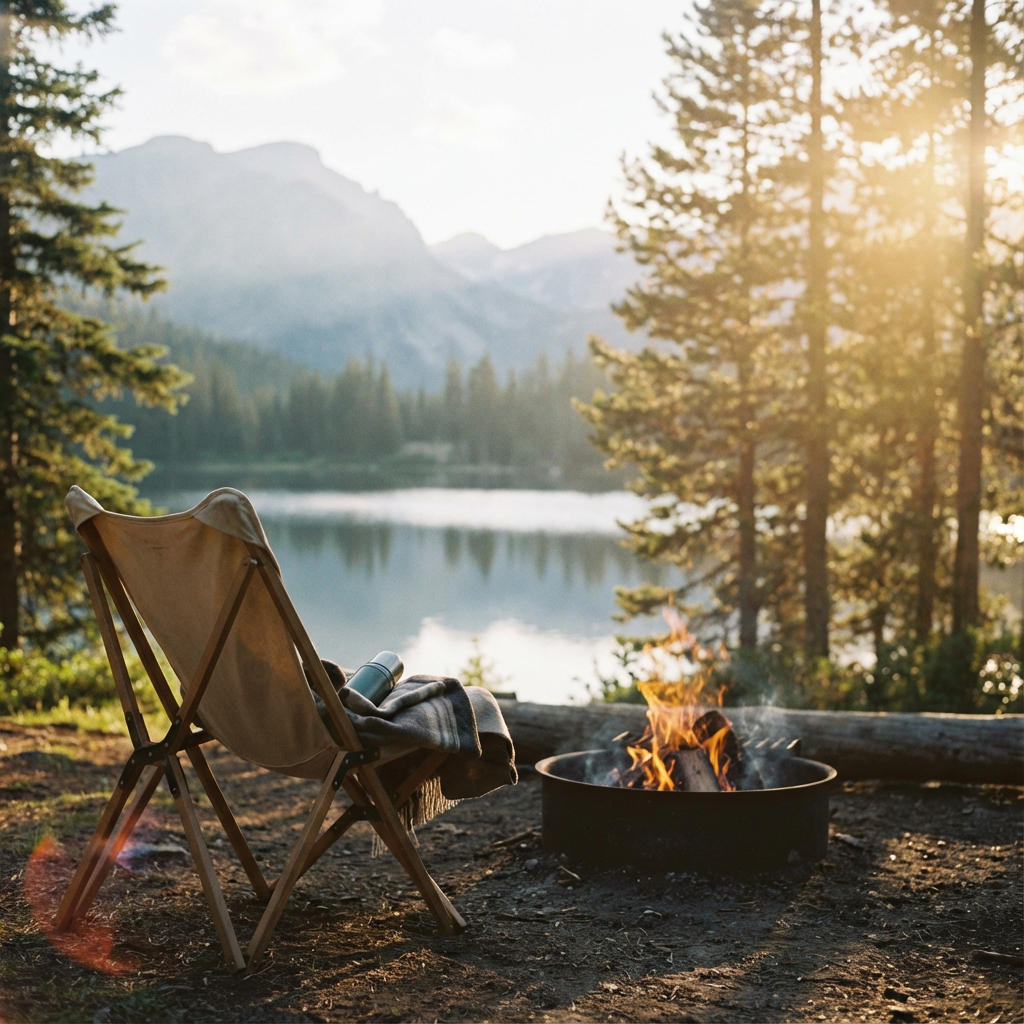
If you camp in the mountains or the PNW, fall buys you the good light: yellow larches, cold mornings, and less crowd noise. If scenery matters to you, this is when camp starts to feel expensive in the right way.
Watch Out For
Condensation is fall's most common frustration. Your breath, cooking, and warm body create moisture your tent can't escape. Crack the vent, avoid cooking inside, and accept that some interior dampness is normal.
Hypothermia sneaks up faster than you'd expect. A 50°F night doesn't feel dangerous, but poor sleep due to cold leads to a miserable morning. Err on the side of warmth—bring more insulation than you think you need.
Shorter days mean less time for setup and camp tasks. Plan to arrive earlier than you would in summer. This reduces stress and gives you buffer time before darkness.
Water sources sometimes freeze at elevation or in northern regions by late fall. Confirm water availability before you go, and bring a backup option if you're camping at altitude.
The Bottom Line
Fall camping requires specific adjustments, but they're straightforward: add insulation below and above you, expect condensation, and plan for shorter daylight. These changes cost little and solve the actual problems fall presents. The payoff—solitude, better scenery, fewer bugs—makes it worth doing right.
More in Seasonal Guides
Keep reading.
Fall Camping Guide: Peak Season for Color, Quiet Trails, and Cool Nights
The best fall camping destinations, gear upgrades, and timing tricks to land peak foliage and empty campsites.
Spring Camping Checklist: Mud Season, Rain Gear, and Shoulder Season Gold
Spring camping means fewer crowds and wildflowers—but also mud, rain, and bugs. Here's the gear and timing to get it right.