First-Time Car Camping: The Complete Checklist
Your essential guide to car camping without the overwhelm. Pack smart, plan ahead, and enjoy your first trip confidently with this comprehensive checklist.
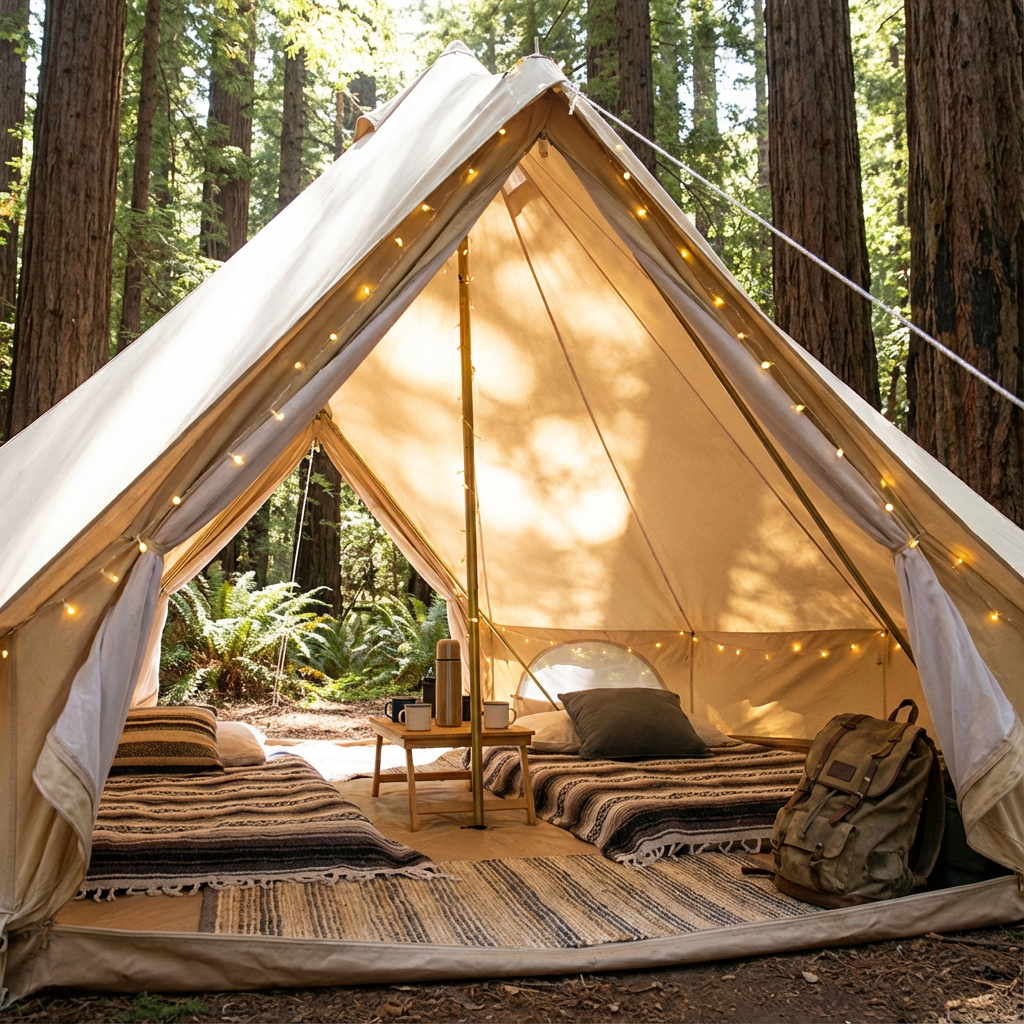
Overview
First car camping trip? Use this checklist. Don't forget anything. Don't pack things you don't need.
Car camping is simpler than backpacking because weight doesn’t matter. You pack your car, drive to the campsite, and unload. The challenge isn’t technical—it’s organization. This checklist organizes everything into categories so you pack systematically and forget nothing.
Customize it based on your destination’s climate and season. But start here.
Before You Go: Planning Phase
Choose your campground. Research campgrounds before booking. Call ahead to confirm:
- Site availability. Are sites first-come-first-served or reserved?
- Amenities. Does the site have bathrooms, water spigots, fire rings?
- Elevation and weather. How cold does it get at night? Will afternoon thunderstorms be likely?
- Crowd level. Is it peaceful or packed with families and noise?
- Cell service. Do you have reception? (Helpful for emergencies, not required for fun)
Check the forecast. Look at the seven-day forecast 5 days before departure. Temperature swings, rain probability, and wind conditions shape your packing.
Plan your meals. Write down breakfast, lunch, and dinner for each day. Plan for one extra meal. Count servings and quantities. This prevents both overpacking food and running out.
Tell someone where you’re going. Leave a note with a trusted friend including the campground name, your site number (if known), and your return date.
The Core Shelter System
Tent with rainfly. A three-season tent works for most camping. Bring it even if you don’t expect rain. Weather surprises people.
Ground tarp. Place a waterproof tarp under your tent to prevent ground moisture seeping up. A cheap 6x8 tarp works perfectly.
Sleeping bag. Match temperature rating to expected low temperature. Don’t guess: check the forecast. A 40°F bag in 25°F weather is misery.
Sleeping pad. A 3-inch foam pad or inflatable pad keeps you insulated from cold ground. Non-negotiable—ground cold causes hypothermia faster than air temperature.
Tent stakes and guylines. Bring extra stakes (at least 8 total). Often you need more than the tent includes, and you’ll lose some in the dirt.
Headlamp or lantern. Two options: a headlamp for personal mobility, and a lantern for group lighting around camp. Both run on batteries. Bring spares.
Sleep System Extras
Pillow. Compress a pillow in a vacuum bag or bring an inflatable camping pillow.
Sleeping bag liner. Optional but helpful. A liner keeps your bag cleaner and adds 5–10°F of warmth if the night is colder than expected.
Camp chair. Essential for lounging and eating. A lightweight folding chair transforms your experience.
Foam pad for tent floor. A yoga mat or foam pad under your sleeping pad prevents punctures and adds comfort.
Cooking and Food System
Camp stove. A simple two-burner propane stove is ideal for car camping. Canister stoves are lighter but overkill for car-accessible camping.
Fuel. Bring one more fuel canister than you think you’ll need. Stoves consume more fuel in cold weather.
Cookware. A medium pot, small frying pan, and cooking utensils. Don’t bring your full kitchen. Simple means easier cleanup.
Water container. A 5-gallon collapsible water jug holds fresh water. Refill at campground spigots (usually available) or plan to drive to a water source.
Cooler with ice or ice packs. Size it for your party and trip length. Rule of thumb: 1 pound of ice per cooler per day in summer.
Dishes and utensils. Plates, bowls, cups, forks, spoons, knives. Bring more than the number of people (backups for washing).
Dish soap, sponge, towels. Biodegradable soap for washing. A sponge and absorbent towel for drying. Bring a dry bag to keep them contained.
Coffee/tea setup. Instant coffee, tea bags, or a French press if you’re coffee-serious. Hot drinks are morale multipliers at breakfast.
Cooking utensils. Spatula, tongs, serving spoon. Bring more than you think necessary.
Cutting board and knife. A small cutting board and sharp knife for meal prep.
Trash bags. Heavy-duty bags for garbage. Leave no trace: pack out everything you pack in.
Clothing and Personal Items
Base layers. Two to three sets of long underwear for cool nights. Moisture-wicking fabric (merino wool or synthetic) is better than cotton.
Insulating layer. A fleece or down jacket for warmth during cool evenings. Car camping allows bulk. Bring comfort.
Rain jacket. Even if rain isn’t forecast, bring a cheap rain jacket. Weather changes.
Pants and shorts. Wear one pair, bring one backup. Hiking pants (not jeans) dry faster and move easier.
Socks. Bring 5 pairs. Damp socks are miserable—extra pairs prevent this.
Hat and gloves. Necessary if temps drop below 50°F. Leave them in the car if it’s warm.
Shoes. Bring camp shoes (flip-flops, sandals) and hiking boots if you plan to hike. Two footwear options means comfort and flexibility.
Toiletries. Toothbrush, toothpaste, biodegradable soap, sunscreen, bug spray, lip balm. Minimize packaging.
Medications. Bring any personal medications plus a small first-aid kit: pain relievers, antihistamines, anti-diarrhea tablets, blister treatment, bandages, antibiotic ointment.
Toilet paper and hand sanitizer. Keep a personal supply even if the campground has bathrooms.
Feminine hygiene products (if applicable). Bring what you need plus extras.
Sunscreen and insect repellent. High SPF sunscreen and EPA-approved bug spray. These prevent days-long misery.
Camp Comfort Items
Campfire wood. Bring firewood from home or buy it at the campground. Don’t harvest wood from the forest—it damages the ecosystem. Never buy firewood across state lines.
Fire starter. Matches in a waterproof container, a lighter, or fire starters (cotton balls soaked in Vaseline work great).
Entertainment. Cards, a book, a portable speaker (respect quiet hours), or binoculars for wildlife. Boredom is the enemy.
Notebook and pen. Journal your experience or sketch the landscape. Simple pleasure.
Toiletries cleanup. Mirror, brush, fingernail clippers.
Battery-powered fan. Optional but nice in warm weather for tent ventilation.
Navigation and Safety
Map of the area. Download maps on your phone or bring a paper map. Knowing your surroundings prevents getting lost.
Multi-tool or knife. Essential for a thousand small tasks.
First-aid kit. Beyond the personal medications, bring tweezers (for splinters), medical tape, elastic bandage, and antiseptic wipes.
Headlamp with spare batteries. Your safety net for dark situations.
Whistle. Small, weighs nothing, invaluable if someone gets lost.
Emergency contact info. Write down local ranger station phone number, nearest hospital address, and a family emergency contact.
Optional Items (Based on Comfort Level)
Portable table. Makes cooking easier and keeps food off the ground.
Tarp or awning. Provides shade and rain coverage around your cooking area.
Outdoor shower. A solar shower or gravity-fed bag for hot-water rinses. Luxury item but transformative.
Extra lighting. String lights for ambiance and nighttime visibility.
Portable Bluetooth speaker. Enhances communal meals. Respect quiet hours.
Camp rug. A small outdoor rug reduces mud in your tent.
Binoculars. For wildlife watching.
The Packing Day Checklist
Three days before: Confirm campground reservation. Check weather again. Adjust packing list.
Two days before: Prep meals (marinate meats, chop vegetables). Pack non-perishable food into a dedicated bin.
One day before: Fill your cooler with ice. Charge all batteries and headlamps. Pack your car: heavy items on bottom, organized by use.
Morning of: Pack perishable food into cooler. Do a final walkthrough of your home.
At the campground: Arrive before dark if possible. Set up your tent on level ground. Organize your cooking area and camp chairs. Relax.
First Night Success Tips
Keep meals simple. Cook something you’ve made before. This prevents dinner stress and builds confidence.
Do setup methodically. Don’t rush tent assembly or camp organization. Systematic setup creates an orderly camp.
Hike to nearby water or viewpoint. Get oriented with your surroundings. This makes the place feel familiar and less intimidating.
Start a fire if permitted. Fire creates ambiance, provides warmth, and signals “this is camp.”
Sleep well. Use your sleeping pad properly, dress appropriately for temperature. Most people sleep better than expected outdoors.
Your First Trip Isn’t About Perfection
You will forget something. Something will be uncomfortable. The temperature will surprise you. That’s normal.
The goal isn’t perfection—it’s a good experience despite minor inconveniences. Use this checklist to eliminate the major problems. After your first trip, you’ll know what you actually need versus what you don’t. That’s when customization begins.
Now you know. Happy Camping! 🏕️
More in How-To Guides
Keep reading.
Camping in Bear Country: Safety Guide
Learn bear behavior and proven safety strategies to camp confidently in bear country. Understand prevention, deterrents, and response tactics that keep you safe.
How to Keep Food Cold Without Ice
Master proven techniques to keep your camping food fresh and cool without relying on ice. Learn passive cooling, insulation strategies, and smart food planning.
How to Read a Topographic Map
Master the fundamentals of topographic maps. Learn contour lines, elevation, terrain features, and how to navigate confidently in the backcountry.