How to Cook Over Campfire: Complete Beginner Guide
Learn campfire cooking techniques, tools, and recipes. Master fire management, grate setup, Dutch oven cooking, and techniques like direct grilling, skillet cooking, and foil packets.
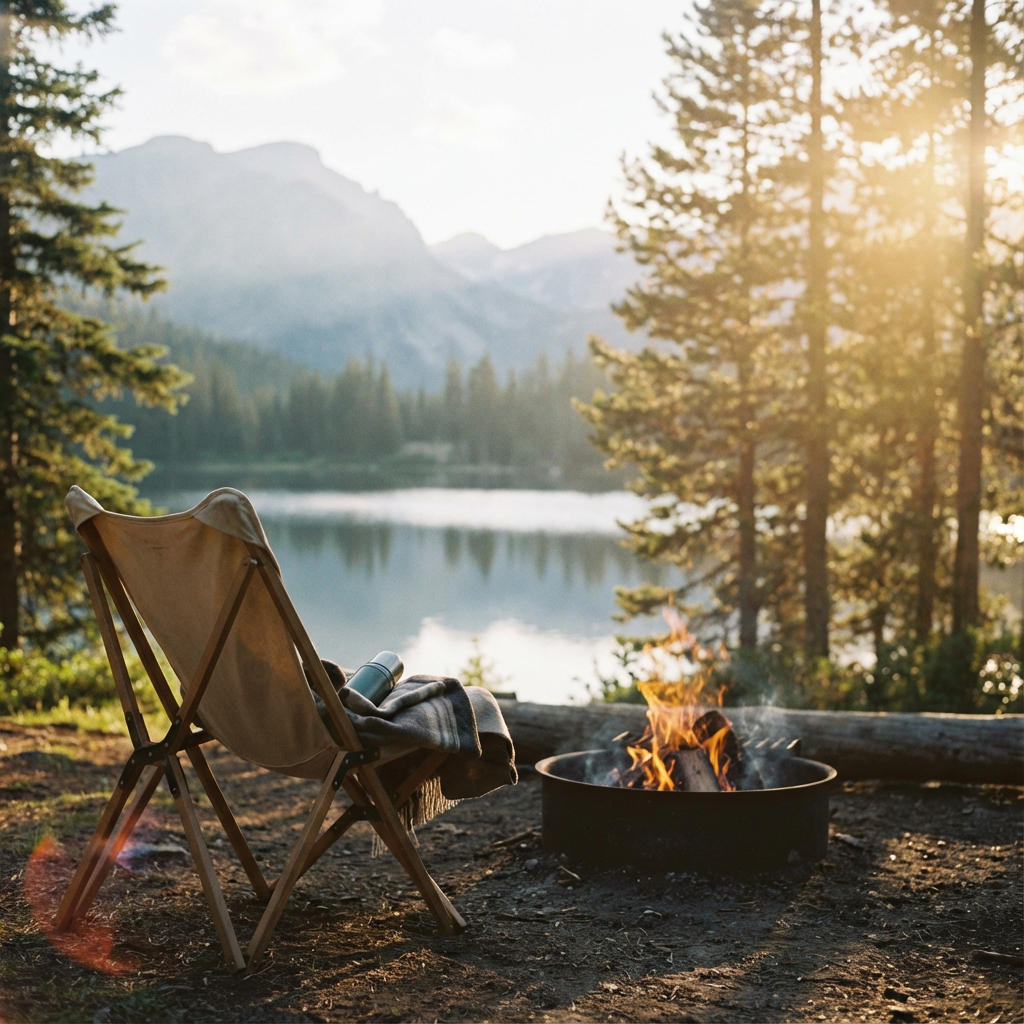
Overview
Forget the camp stove. Real camp meals are cooked over flames. Here's how to master campfire cooking 🔥🍳
Why Campfire Cooking?
A camp stove is convenient. A campfire is an experience.
There’s something primal about cooking over open flames—the crackling wood, the smoke, the slower pace. And with the right technique, campfire food isn’t just edible—it’s genuinely better than what you’d make at home.
The Foundation: Building the Right Fire
Not all fires are cooking fires. That roaring blaze you stare at? Terrible for cooking. What you need is coals.
The Cooking Fire Stages
- Start with a standard fire — Teepee or log cabin structure
- Let it burn down — 30-45 minutes
- Spread the coals — Create an even bed
- Cook over coals, not flames — This is key
Flames = burned outside, raw inside. Coals = even, controllable heat.
Heat Zones
Create areas of different heat:
- Hot zone — Thick coal bed, directly under cooking surface
- Medium zone — Fewer coals, edge of fire
- Warming zone — No coals, just radiant heat
Move food between zones as needed.
Essential Campfire Cooking Tools
The Minimum Kit
- Cast iron skillet — 10” or 12” for most camping
- Metal grate — Elevates cookware over coals
- Long metal tongs — For moving coals and food
- Heat-resistant gloves — Leather or silicone
Level Up
- Dutch oven — The campfire slow-cooker
- Cast iron griddle — Pancakes, bacon, smash burgers
- Pie irons — Sandwich magic
- Tripod with chain — For hanging pots over fire
The Grill Grate Setup
Place a metal grate over rocks or directly on the fire ring. This creates a stable cooking surface at a consistent height.
Grate height:
- 4-6 inches above coals for high heat
- 8-10 inches for gentler cooking
- Adjust by coal bed depth or grate position
Cooking Techniques
Direct Grilling
Place food directly on the grate over coals.
Best for: Steaks, burgers, sausages, vegetables Tips:
- Oil the grate or food
- Don’t move food constantly
- Use hot zone for searing, medium zone to finish
Skillet Cooking
Cast iron + coals = even heat perfection.
Best for: Eggs, bacon, stir-fry, one-pan meals Tips:
- Preheat the skillet before adding food
- Handle stays hot—use gloves
- Cook lower and slower than you think
Dutch Oven Cooking
The secret weapon. A Dutch oven lets you bake, braise, and slow-cook.
How it works:
- Place Dutch oven on coal bed
- Add coals on top of the lid
- Top coals + bottom coals = oven-like heat distribution
Coal ratios (for 12” Dutch oven):
- Baking (350°F): 8 coals under, 16 on top
- Roasting (400°F): 10 coals under, 18 on top
- Simmering: 6 coals under, 0 on top
Foil Packet Cooking
Wrap food in aluminum foil, place in coals.
Best for: Vegetables, fish, desserts Tips:
- Double-wrap to prevent burns
- Leave room for steam expansion
- Rotate packets halfway through
Spit/Skewer Cooking
Food on sticks over fire. Classic.
Best for: Kebabs, sausages, marshmallows Tips:
- Soak wooden skewers to prevent burning
- Rotate frequently
- Keep food moving over medium heat, not flames
Campfire Recipes
Campfire Breakfast Skillet
Ingredients: Bacon, diced potatoes, eggs, cheese, onion
- Cook bacon in skillet, set aside
- Cook potatoes in bacon fat until crispy (10-15 min)
- Add onion, cook until soft
- Create wells, crack eggs into them
- Cover with foil, cook until eggs set
- Top with cheese and crumbled bacon
Foil Pack Fajitas
Ingredients: Sliced chicken or steak, peppers, onions, fajita seasoning, oil
- Toss everything with oil and seasoning
- Divide into foil packets
- Seal tightly, place on coals
- Cook 15-20 minutes, flipping once
- Serve in tortillas
Dutch Oven Chili
Ingredients: Ground beef, beans, tomatoes, onion, chili seasoning
- Brown beef in Dutch oven
- Add onion, cook until soft
- Add beans, tomatoes, seasoning, water
- Cover, place coals under and on top
- Simmer 45-60 minutes, stirring occasionally
Campfire Cinnamon Rolls
Ingredients: Refrigerated cinnamon roll tube, butter
- Grease Dutch oven with butter
- Arrange rolls in single layer
- Cover, place on coals with coals on lid
- Bake 15-20 minutes until golden
- Apply icing while hot
Safety
Fire Management
- Never leave a cooking fire unattended
- Keep water nearby
- Be aware of wind direction (sparks)
- Fully extinguish when done
Food Safety
- Bring a meat thermometer
- Keep cold food cold until cooking
- When in doubt, cook longer
Personal Safety
- Assume everything is hot
- Long sleeves, closed-toe shoes
- Hair tied back
- Keep kids at safe distance
Common Mistakes
- Cooking over flames — Use coals
- Not preheating cookware — Food sticks, cooks unevenly
- Constant stirring/flipping — Let food develop crust
- Forgetting salt — Season everything
- No coal management — Replenish coals for long cooks
The Bottom Line
Campfire cooking takes practice, but the results are worth it. Start with simple skillet meals, graduate to Dutch oven dishes, and eventually you’ll be making meals that put home cooking to shame.
The fire does the work. You just need to guide it.
Happy Camping! 🏕️
More in How-To Guides
Keep reading.
Camping in Bear Country: Safety Guide
Learn bear behavior and proven safety strategies to camp confidently in bear country. Understand prevention, deterrents, and response tactics that keep you safe.
First-Time Car Camping: The Complete Checklist
Your essential guide to car camping without the overwhelm. Pack smart, plan ahead, and enjoy your first trip confidently with this comprehensive checklist.
How to Keep Food Cold Without Ice
Master proven techniques to keep your camping food fresh and cool without relying on ice. Learn passive cooling, insulation strategies, and smart food planning.