Leave No Trace: The Complete 7 Principles Guide
Master the 7 Leave No Trace principles for outdoor ethics and minimum impact camping. Keep wild places wild for future generations with proven techniques.
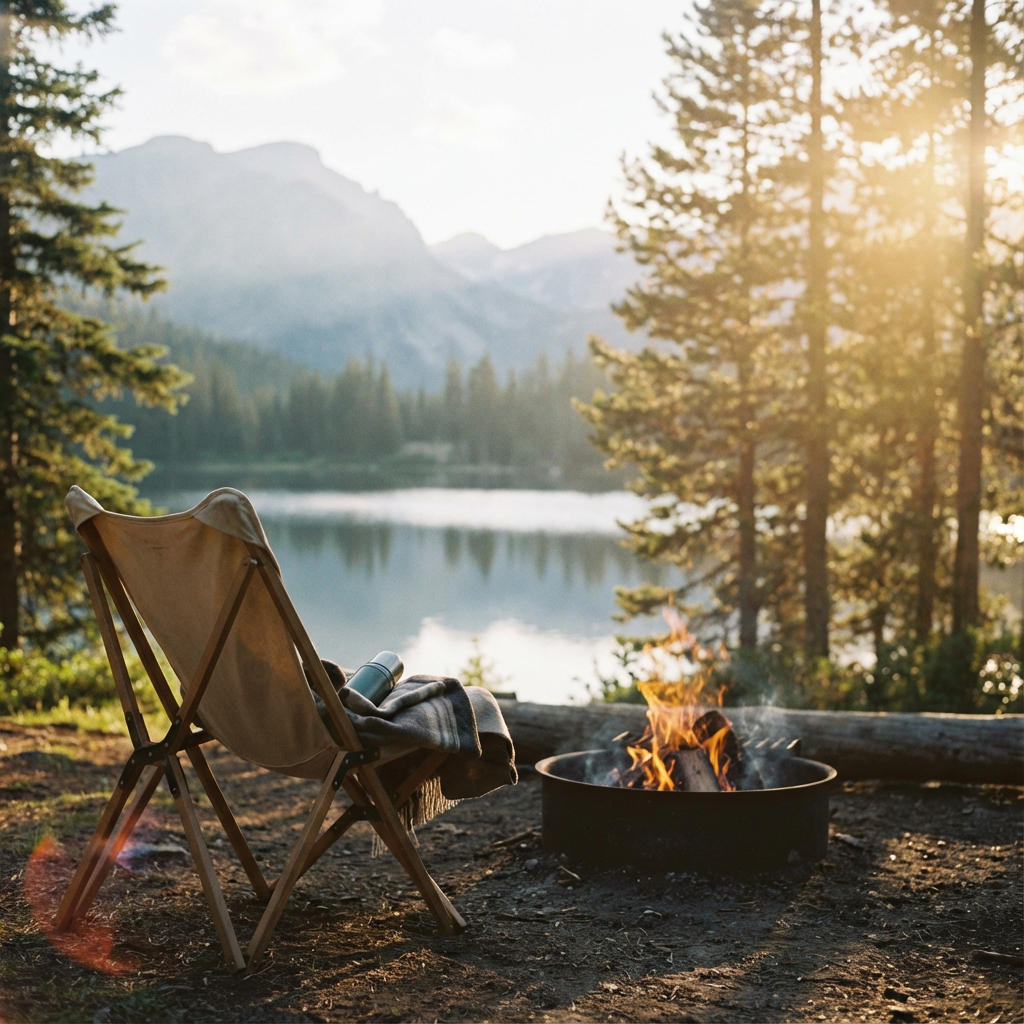
Overview
Wild places stay wild because we protect them. The 7 Leave No Trace principles every outdoor lover should know 🌲🌎
Why Leave No Trace Matters
More people are getting outside than ever before. That’s wonderful—until you see the impact. Overflowing trash, widened trails, fire rings everywhere, toilet paper flowers, carved trees.
Leave No Trace isn’t about being preachy. It’s about ensuring the places we love stay worth visiting.
The principles are simple. Following them is how we keep wild places wild.
The 7 Principles
1. Plan Ahead and Prepare
Why it matters: Poor planning leads to poor decisions. Unprepared campers are more likely to take shortcuts that damage the environment.
How to do it:
- Research regulations and conditions for your destination
- Prepare for extreme weather, hazards, and emergencies
- Schedule trips to avoid high-use times
- Visit in small groups (split larger parties into smaller groups)
- Repackage food to minimize waste
- Use maps and compass to eliminate the need for marking paint, rock cairns, or flagging
Example: You didn’t bring enough food, so you leave early—but drive off-trail to save time, creating new ruts. Planning prevents this.
2. Travel and Camp on Durable Surfaces
Why it matters: Vegetation and soil crusts can take years to recover from a single footstep. Some damage is permanent.
On the trail:
- Stay on designated trails, even when muddy or flooded
- Walk single file through the center of the trail
- Don’t cut switchbacks (causes erosion)
At camp:
- Use established campsites when available
- In pristine areas, disperse use—don’t create new established sites
- Camp at least 200 feet from lakes and streams
- Concentrate activity in areas where vegetation is already absent
Durable surfaces (best to worst):
- Rock, gravel, sand
- Snow
- Dry grasses
- Established paths
- Living vegetation (avoid)
- Cryptobiotic soil crust (NEVER—takes decades to form)
3. Dispose of Waste Properly
The mantra: Pack it in, pack it out.
Trash:
- All of it leaves with you—orange peels, apple cores, everything
- Inspect your campsite and rest areas for trash or spilled food
Human Waste:
- Deposit solid human waste in catholes 6-8 inches deep, at least 200 feet from water, camp, and trails
- Cover and disguise the cathole when finished
- Pack out toilet paper in a ziplock (or use natural alternatives)
- In high-use areas or fragile environments, pack out all waste (WAG bags)
Dishwater:
- Strain food particles and pack them out
- Scatter strained dishwater 200 feet from water sources
Pro tip: Bring a dedicated “trash bag” that stays accessible. Make packing out easy.
4. Leave What You Find
Why it matters: Natural and cultural artifacts are for everyone. Taking them (or moving them) degrades the experience for future visitors.
Do not:
- Pick wildflowers or gather plants
- Take rocks, antlers, or other natural objects
- Disturb archaeological or historical structures
- Build structures, furniture, or dig trenches
- Stack rocks into cairns (except for navigation on official trails)
Do:
- Take pictures, not souvenirs
- Leave rocks, plants, and artifacts as you found them
- Avoid introducing or transporting non-native species (clean boots, boats, gear)
Exception: Safety trumps everything. If moving a natural object prevents injury, move it.
5. Minimize Campfire Impact
The reality: Campfires cause lasting damage. Many areas now prohibit them entirely.
Before you build:
- Check fire restrictions (they change based on conditions)
- Consider whether a fire is necessary (stoves are lighter, cleaner)
- Use established fire rings where they exist
If fires are permitted:
- Keep fires small
- Use dead and downed wood only (no cutting)
- Burn all wood to ash
- Put fires out completely (drown, stir, feel—no heat = safe)
- Scatter cool ashes
Mound Fires (in pristine areas): If no fire ring exists and fires are allowed, build a mound fire:
- Collect mineral soil (sand, gravel) from stream edge or other source
- Build a mound on flat rock or bare ground
- Build fire on the mound
- Scatter cold ashes and return mineral soil to source
6. Respect Wildlife
Why it matters: Human interaction changes animal behavior—sometimes fatally. A fed bear is a dead bear.
Distance:
- Observe from a distance (use binoculars)
- Never approach or follow wildlife
- Never feed wildlife (garbage is food too)
- 25 yards minimum for most animals
- 100 yards for predators (bears, wolves, etc.)
Food storage:
- Store food and scented items properly (bear canisters, bags, lockers)
- Never feed animals, intentionally or by carelessness
Sensitive times:
- Avoid wildlife during sensitive periods: mating, nesting, raising young, winter
- Don’t disturb nesting birds
Pets:
- Keep dogs under control at all times
- Many areas require leashes
- Dog waste is YOUR waste—pack it out
7. Be Considerate of Other Visitors
Why it matters: Everyone comes to wild places for peace. Don’t be the reason someone’s experience is ruined.
Noise:
- Keep voices down
- No loud music (ever)
- Respect the quiet hours (typically 10pm-6am)
Yielding:
- Yield to uphill hikers
- Yield to horses and pack animals
- Step to the downhill side of the trail when yielding
Campsite selection:
- Don’t set up next to others if space allows
- Avoid overflowing into neighboring sites
Personal behavior:
- Don’t stare into others’ camps
- Take breaks off-trail to let others pass
- Leave gates as you found them
Common LNT Failures
- “Biodegradable” items — Apple cores, orange peels, banana peels take years to decompose. Pack them out.
- Cairn building — Leave navigation to official trails. Your artistic cairn confuses other hikers.
- “Just one flower” — Multiply by millions of visitors. Nothing left.
- Fire in fire restriction zones — Causes wildfires that burn millions of acres.
- Social trails — “Shortcuts” become new trails, widening impact.
The Mindset
Leave No Trace isn’t about perfection. It’s about intention.
Ask yourself:
- Is what I’m doing making this place worse for the next person?
- Would this place look unchanged if I left right now?
- What would happen if everyone did what I’m about to do?
If the answer is concerning, adjust.
The Bottom Line
Leave No Trace is how we love places without destroying them. The principles are simple: plan ahead, stick to durable surfaces, pack out everything, leave nature where you found it, minimize fire impact, respect wildlife, and be considerate of others.
Follow them. Teach them. The wild places depend on it.
Happy Camping! 🏕️
More in How-To Guides
Keep reading.

Camping in Bear Country: Safety Guide
Learn bear behavior and proven safety strategies to camp confidently in bear country. Understand prevention, deterrents, and response tactics that keep you safe.
First-Time Car Camping: The Complete Checklist
Your essential guide to car camping without the overwhelm. Pack smart, plan ahead, and enjoy your first trip confidently with this comprehensive checklist.
How to Keep Food Cold Without Ice
Master proven techniques to keep your camping food fresh and cool without relying on ice. Learn passive cooling, insulation strategies, and smart food planning.