Solo Camping Safety: Essential Tips & Protocols
Learn how to camp alone safely with preparation strategies, emergency protocols, and risk management. Build solo camping skills with confidence and independence.
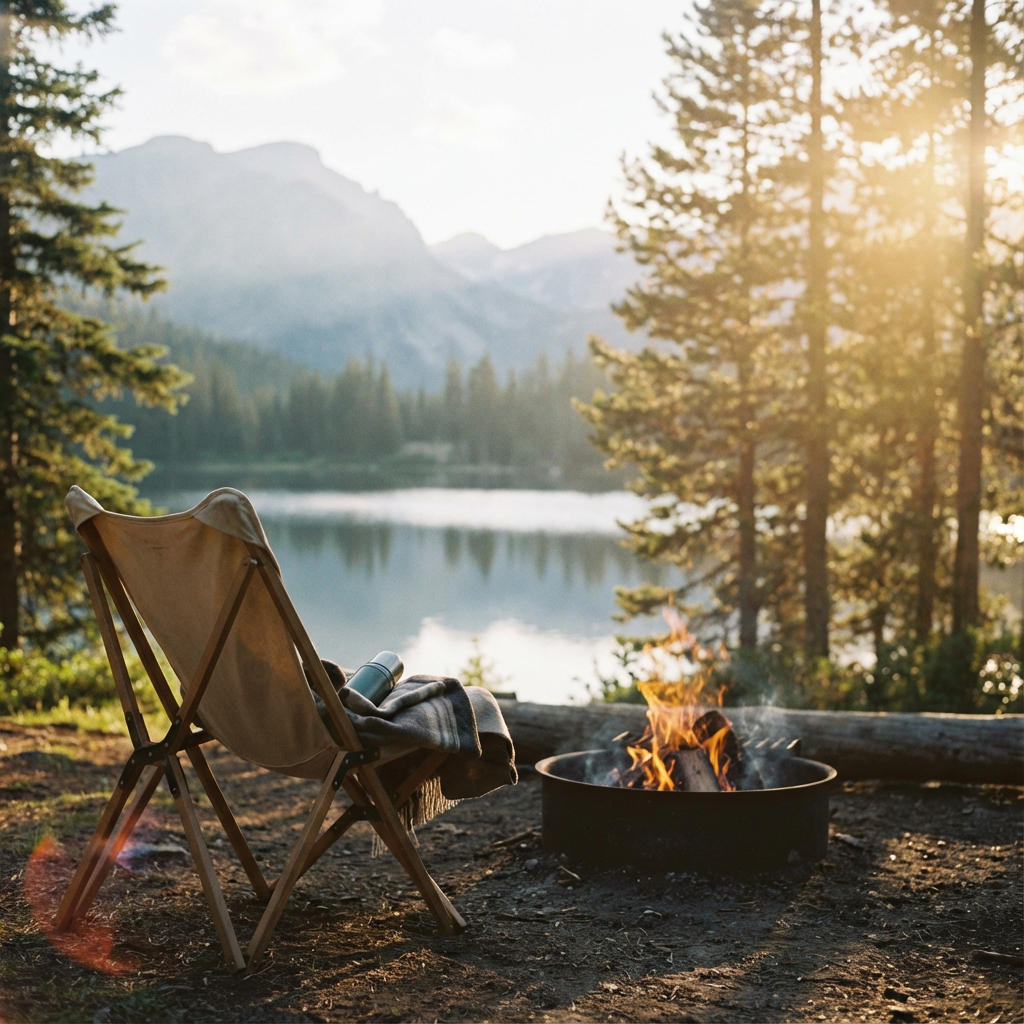
Overview
Solo camping is freedom—if you're smart about safety. Everything you need to know about going it alone 🏕️👤
The Solo Camping Truth
There’s a reason solo camping is so appealing: no compromises, no schedules, just you and the wilderness. The silence. The self-reliance. The deep connection with place.
But solo also means solo. No one to help if something goes wrong. No one to share the load, spot hazards, or make decisions with.
Solo camping isn’t more dangerous than group camping—it’s differently dangerous. This guide covers how to manage that difference.
Before You Leave
Tell Someone Everything
This isn’t optional. Someone needs to know:
- Where exactly you’re going — Trailhead, campsite, backup locations
- When you’re leaving and returning
- Your vehicle description and parking location
- Your planned route
- When to call for help if they don’t hear from you
Use a trip plan template. Write it down, not just verbal. Leave it with someone reliable.
Know Your Skills Honestly
Solo is not the time to test your limits. Be honest about:
- Your navigation abilities
- Your first aid knowledge
- Your fitness level
- Your comfort with the terrain/conditions
The rule: Solo trips should be within your established comfort zone. Push boundaries with a group.
Research the Area
- Weather forecast — Check multiple sources, check often
- Trail conditions — Recent reports, closures, hazards
- Wildlife activity — Bear reports, mountain lion sightings
- Cell service — Know where you will and won’t have it
- Nearest help — Ranger stations, hospitals, exit routes
Gear Considerations
Solo gear should prioritize:
Communication:
- Satellite communicator (Garmin InReach, Zoleo, SPOT)
- Fully charged phone + battery pack
- Whistle
- Signal mirror
Navigation:
- Physical map + compass (know how to use them)
- GPS device or phone app with offline maps
- Pre-downloaded area maps
First Aid:
- Comprehensive kit (you’re your only medic)
- Knowledge to use everything in it
- Personal medications + extras
Shelter:
- Reliable, easy to pitch alone
- Emergency bivy or space blanket as backup
On the Trail
Pace and Caution
When alone:
- Slower is safer — No one to catch you if you fall
- Stick to established trails — Getting lost alone is serious
- Save energy — Don’t exhaust yourself, keep reserves
- Take fewer risks — That sketchy creek crossing? Find another way.
Constant Awareness
Things to notice:
- Weather changes
- Trail conditions
- Your own physical state (hydration, fatigue, pain)
- Landmarks for navigation
- Potential hazards
Check yourself: Regular self-assessment. “How am I feeling? Am I making good decisions?”
Wildlife Encounters
Solo encounters with wildlife are more significant. Without a group:
- Make noise while hiking (bell, talking, singing)
- Be extra vigilant in dense vegetation
- Never run from predators
- Know the specific protocols for your area
Bears: Make yourself big, back away slowly, carry spray Mountain lions: Face them, make noise, appear large, fight back if attacked Moose: Give wide berth, get behind trees if they charge
At Camp
Site Selection (Safety Focus)
- Visible but not exposed — You want to see around, but not be obvious to everyone
- Escape routes — Note them
- Hazard awareness — Widow makers, flood zones, avalanche paths
- Trust your instincts — If something feels off, move
Campsite Security
The truth: Threats from other people are extremely rare in the backcountry. But solo campers are slightly more vulnerable to the rare bad actor.
Common sense:
- Be friendly but don’t over-share your situation (“I’m solo, no one knows I’m here” = bad)
- Trust your gut about people
- Note where your nearest help would be
- If something feels wrong, leave
Solo Night Routine
- Prep everything before dark — Know where everything is
- Keep essentials accessible — Headlamp, knife, communicator, shoes
- Know the sounds — Animals are loud at night. Learn normal from concerning.
- Have a plan for emergencies — Where’s your exit? What’s your protocol?
If Something Goes Wrong
Injury Assessment
When alone:
- Stop and breathe — Panic makes everything worse
- Assess the injury — Is it trip-ending?
- Treat what you can — Clean, bandage, stabilize
- Decide: continue or evacuate?
- Communicate — Activate beacon if serious, text if you can
Self-Evacuation
If you can move:
- Stabilize the injury as best you can
- Take the safest route (even if longer)
- Conserve energy
- Keep communicating your status
If you can’t move:
- Stay put
- Make yourself visible
- Activate emergency beacon
- Conserve resources
Mental State
Solo emergencies are also mental emergencies. Stay calm by:
- Talking to yourself (seriously, it helps)
- Following a mental checklist
- Focusing on the next small step
- Remembering: most emergencies are survivable with patience
Building Solo Skills
Start Small
- Car camping alone — Camp close to help, with backup
- Day hikes alone — Build trail confidence
- One-night solo — Short distance from car
- Longer trips — Gradually extend
Skills to Develop
- Navigation — Can you find your way with map and compass?
- First aid — Wilderness first aid course highly recommended
- Self-reliance — Can you solve problems alone?
- Comfort with solitude — Some people don’t do well alone
The Mindset
Solo camping requires:
Self-awareness: Know your limits and respect them.
Humility: The wilderness doesn’t care about your ego. Turn back when needed.
Preparation: The stuff you’d rely on a partner for, you now need to handle yourself.
Acceptance: Accept the risk. Accept the solitude. Accept responsibility.
The Rewards
Solo camping done right offers:
- Complete freedom of schedule and destination
- Deep quiet and presence
- Connection with yourself and nature
- Self-confidence that carries into regular life
- Experiences you can’t have any other way
The risks are real. The rewards are real. The preparation makes the difference.
Happy Camping! 🏕️
More in How-To Guides
Keep reading.
Camping in Bear Country: Safety Guide
Learn bear behavior and proven safety strategies to camp confidently in bear country. Understand prevention, deterrents, and response tactics that keep you safe.
First-Time Car Camping: The Complete Checklist
Your essential guide to car camping without the overwhelm. Pack smart, plan ahead, and enjoy your first trip confidently with this comprehensive checklist.
How to Keep Food Cold Without Ice
Master proven techniques to keep your camping food fresh and cool without relying on ice. Learn passive cooling, insulation strategies, and smart food planning.