How to Stay Warm While Winter Camping: Complete Guide
Master winter camping warmth with proven strategies for layering, sleep systems, and heat retention. Stay comfortable even in freezing temperatures with expert tips.
Overview
Freezing temps? Not a problem. Here's how we stay warm when winter camping gets serious. Spoiler: it's all about the system.
Why Cold Camping Is Worth It
Winter camping offers something the summer crowds will never experience: absolute solitude, crisp air that makes every breath feel alive, and landscapes transformed by frost and snow. But here’s the catch—you need to stay warm to enjoy any of it.
The good news? Staying warm in freezing temperatures isn’t about suffering through the cold. It’s about systems. Get your layering, sleeping setup, and heat management dialed in, and you’ll sleep better than you do at home.
Master the Layering System
The key to staying warm isn’t piling on the thickest jacket you own. It’s managing moisture and heat with strategic layers.
Base Layer: The Foundation
We recommend merino wool or synthetic fabrics for your base layer. Cotton is a death sentence in cold weather—it absorbs moisture and holds it against your skin, making you colder. Merino wool wicks sweat away while retaining warmth even when damp.
Mid Layer: The Insulation
This is where your heat gets trapped. Fleece, down, or synthetic puffy jackets work well here. We like to bring multiple mid-layer options so we can adjust throughout the day. Hiking generates heat; sitting at camp doesn’t.
Outer Layer: The Shield
Your shell layer blocks wind and moisture. It doesn’t need to be heavily insulated—that’s what your mid-layer is for. A good windproof and waterproof jacket keeps the elements out while letting your layering system do its job.
The Golden Rule
If you’re sweating, you’re doing it wrong. Sweat leads to moisture, moisture leads to cold. Adjust your layers constantly. Unzip when you’re working hard, bundle up when you stop.
Dial In Your Sleep System
This is where winter camping is won or lost. Your sleeping setup needs to work harder than anything else.
The Sleeping Bag
Check the temperature rating and then go lower. If you expect 20°F nights, bring a 0°F bag. Ratings are survival ratings, not comfort ratings. We always sleep colder than the bag promises.
Mummy bags retain heat better than rectangular bags. The snug fit reduces dead air space your body has to warm.
The Sleeping Pad (Critical)
Here’s what most people miss: you lose more heat to the ground than to the air. A sleeping pad’s R-value measures insulation from the ground. For winter camping, we recommend an R-value of 5 or higher.
Stack pads if needed. A closed-cell foam pad under an inflatable pad creates serious ground insulation and adds redundancy if your inflatable fails.
Bag Liners
A simple silk or fleece liner can add 10-25°F to your bag’s rating. We always bring one for winter trips. It’s cheap insurance.
Heat Sources and Hot Drinks
Sometimes you need external heat to reset your core temperature.
The Power of Hot Liquids
A hot drink before bed raises your core temperature, which helps you sleep warmer. We keep a thermos of hot water in the tent for middle-of-the-night warmth emergencies. Waking up cold at 3 AM? A few sips of warm water can make all the difference.
Pro tip: Boil water before bed and fill a Nalgene bottle. Wrap it in a sock and sleep with it in your bag. It’s a poor man’s hot water bottle, and it works beautifully.
Campfire Strategy
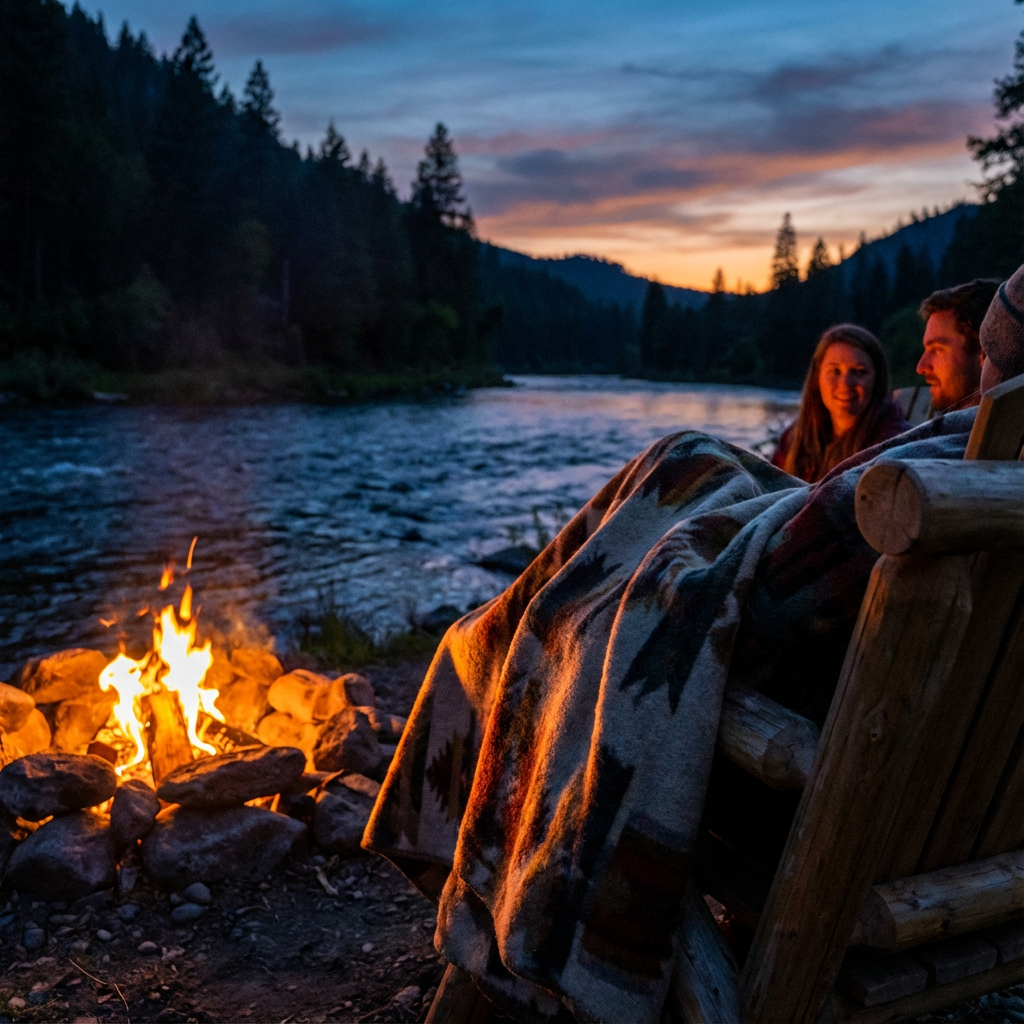
A fire is great for warmth while you’re awake, but we don’t rely on it. Fires require constant attention, and you can’t take them to bed with you. Use the fire to warm up and dry gear, then let your layering and sleep system handle the night.
Camp Setup for Cold Weather
Where and how you set up camp affects how warm you stay.
Site Selection
- Avoid valley bottoms — Cold air sinks. Camp slightly uphill when possible.
- Find wind breaks — Natural features like rock walls or dense trees block wind. A steady breeze drops perceived temperature dramatically.
- Southern exposure — In the northern hemisphere, south-facing sites get more sun. Morning warmth makes breaking camp much more pleasant.
Tent Considerations
A four-season tent isn’t always necessary, but it helps. The main advantage is better wind resistance and snow load handling. If you’re using a three-season tent, make sure to stake it out completely and consider a wind break.
Keep your tent ventilated. Yes, even in winter. Breathing creates moisture, and moisture condenses on tent walls. A frozen, wet tent interior is worse than a slightly cooler, dry one.
Common Mistakes to Avoid
We’ve made these mistakes so you don’t have to.
- Waiting until you’re cold to add layers — By then, you’re playing catch-up. Add layers before you need them.
- Sleeping in the clothes you wore all day — Moisture from the day’s activities is trapped in those layers. Change into dry sleep clothes.
- Ignoring your extremities — Warm socks, a hat, and gloves matter. We lose significant heat through our heads and feet.
- Eating too little — Your body burns calories to generate heat. Eat a calorie-dense meal before bed.
- Holding it in — If you need to pee, go. Your body wastes energy keeping that liquid warm.
The Mental Game
Here’s something we’ve learned from years of cold camping: mindset matters. If you expect to be cold and miserable, you probably will be. But if you approach winter camping as a skill to master, the cold becomes a puzzle to solve rather than an enemy to endure.
There’s real satisfaction in waking up warm after a 15°F night. It means your systems worked. It means you’ve earned something the summer campers will never understand.
Winter camping isn’t about toughing it out. It’s about preparation, smart gear choices, and working with your environment instead of against it.
Stay warm out there.
Happy Camping! 🏕️
More in How-To Guides
Keep reading.
Camping in Bear Country: Safety Guide
Learn bear behavior and proven safety strategies to camp confidently in bear country. Understand prevention, deterrents, and response tactics that keep you safe.
First-Time Car Camping: The Complete Checklist
Your essential guide to car camping without the overwhelm. Pack smart, plan ahead, and enjoy your first trip confidently with this comprehensive checklist.
How to Keep Food Cold Without Ice
Master proven techniques to keep your camping food fresh and cool without relying on ice. Learn passive cooling, insulation strategies, and smart food planning.