Spring Camping Checklist: Mud Season, Rain Gear, and Shoulder Season Gold
Spring camping means fewer crowds and wildflowers—but also mud, rain, and bugs. Here's the gear and timing to get it right.
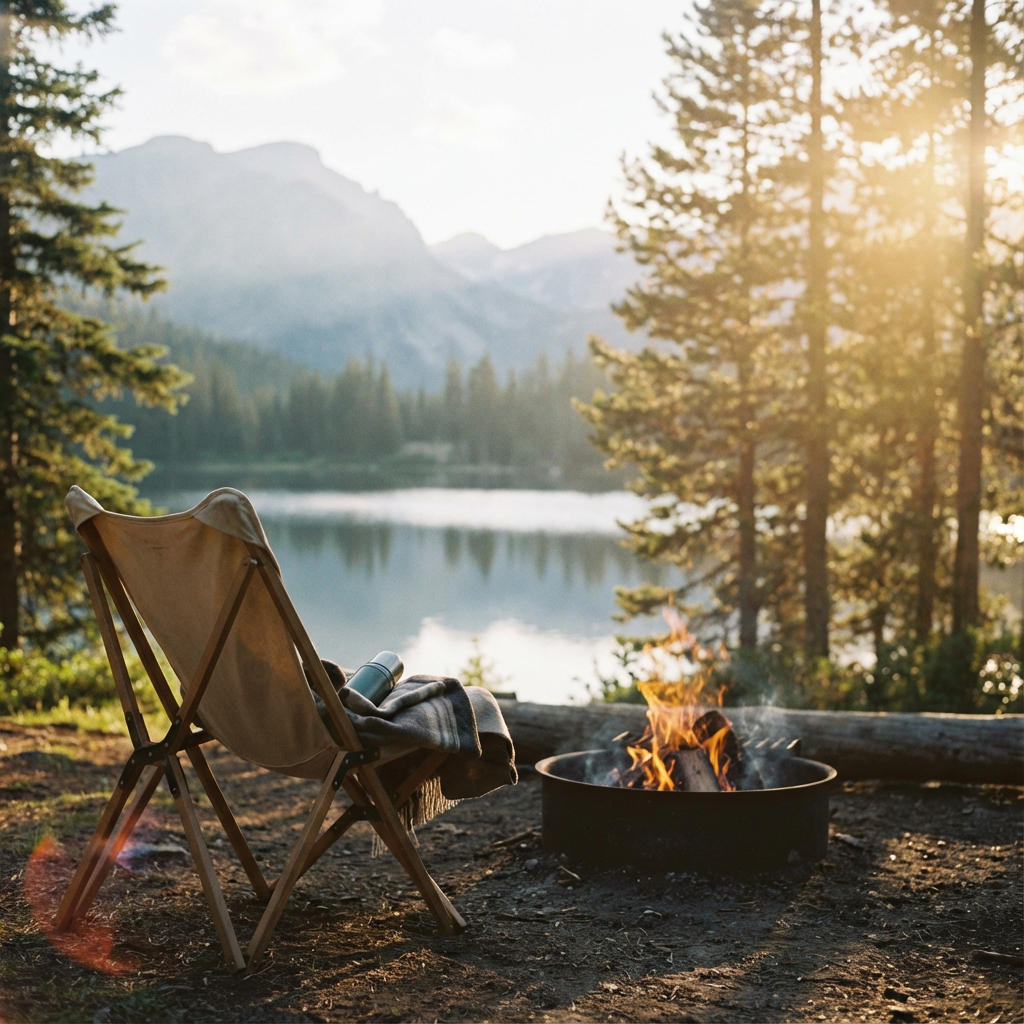
Overview
Spring camping = empty campsites, wildflowers, and half-price shoulder season. But mud and rain are coming. Pack for it.
Spring is shoulder season at its finest. Campgrounds that need six-month reservations in July have open sites in April. Trails that feel like highways in summer are yours alone. Wildflowers cover meadows that were under snow three weeks ago.
The tradeoff: mud, rain, unpredictable temperatures, and the first bugs. Spring rewards campers who pack for the mess. Show up with summer gear and you’ll be cold, wet, and miserable. Show up prepared and you’ll wonder why anyone camps in peak season.
Mud Season Is Real
Late March through mid-May means saturated ground across most of the country. Snowmelt and spring rain turn trails into ankle-deep slop and campsites into puddles.
Footwear is everything. Waterproof hiking boots are non-negotiable. The Salomon X Ultra 4 Mid GTX or Merrell Moab 3 Mid Waterproof handle mud without soaking through. Bring gaiters too—Outdoor Research Ferrosi Gaiters keep mud and debris out of your boots on soupy trails.
Campsite selection matters more in spring. Skip low spots where water collects. Look for slight elevation, good drainage, and tree cover. Gravel pads drain better than dirt. If a site looks wet, it is wet—move on.
Bring a ground tarp. In spring, ground moisture seeps up through tent floors even on dry-looking ground. A Tyvek sheet cut 6 inches smaller than your tent on each side (prevents rain pooling on top) adds a critical moisture barrier.
Pro tip: Pack an extra pair of camp shoes—Crocs, sandals, or rubber slip-ons. After a muddy hike, peel off the boots at your tent’s edge and step into dry footwear. Your tent stays clean. Your feet dry out.
Rain Gear That Actually Works
Spring rain isn’t a maybe. Expect to get rained on every day. Be pleasantly surprised when you don’t.
The Essentials
Rain jacket: A real waterproof-breathable shell, not a windbreaker. The REI Co-op Rainier or Outdoor Research Foray II both have full seam taping and pit zips for venting. Packable enough to live in your pack lid at all times.
Rain pants: Most people skip these. Don’t. Wet legs in 50-degree wind chill are brutal. Lightweight rain pants like the Outdoor Research Helium weigh 6 ounces and pack to the size of a fist.
Pack cover + liner: Your rain cover handles drizzle. Sustained spring storms overwhelm it. Use a trash compactor bag inside your pack as a liner and the rain cover outside. Belt and suspenders.
Dry bags: One for electronics, one for your sleep system, one for spare clothes. Sea to Summit Lightweight Dry Sacks in 4L, 8L, and 13L cover everything.
Campsite Rain Prep
String a tarp over your cooking area. A 10x10 tarp with paracord and a couple of trees gives you a dry zone for cooking, eating, and hanging out in the rain. The Kelty Noah’s Tarp 12 has generous coverage.
Stake every guyline. In summer, most people skip them. In spring, wind and rain hit harder. Guy out every point. Tension the rainfly so it doesn’t sag and pool water.
Dig micro-trenches if needed. On sloped ground, a shallow 2-inch trench uphill from your tent diverts running water. Check with campground rules first—some prohibit ground disturbance.
Bug Season Starts
Ticks, mosquitoes, and black flies wake up in spring. Early spring (March-April) is mostly tick territory. By May, mosquitoes join in. Black flies peak late May through June in northern states.
Permethrin-treat your clothes before the trip. Spray pants, socks, gaiters, and tent mesh with Sawyer Permethrin. One treatment lasts 6 washes. The single most effective bug strategy you can use.
Carry picaridin-based repellent. Sawyer Premium Insect Repellent with 20% picaridin works as well as DEET without the plastic-melting side effects. Apply to exposed skin.
Do tick checks twice daily. After hiking and before bed. Check behind ears, along the hairline, armpits, waistband, and behind knees. Bring fine-tipped tweezers in your first-aid kit.
Pro tip: Wear light-colored clothing so ticks are easier to spot. Tuck pants into socks when hiking through tall grass—it looks goofy and works perfectly.
Campground Opening Dates
Most public campgrounds in northern states follow seasonal schedules:
- National Parks: Many campgrounds open mid-April to mid-May. Some stay open year-round (Smoky Mountains’ Cades Cove, Yosemite’s Upper Pines).
- National Forests: Dispersed camping is often year-round, but developed campgrounds open May through June depending on snow.
- State Parks: Varies wildly. Check your state’s parks website. Many open in April with limited services (no water hookups, vault toilets only).
- Private campgrounds (KOA, Thousand Trails): Often open earliest, sometimes year-round. Amenities are available sooner.
Pro tip: Call the campground directly before booking a spring trip. Websites sometimes list outdated opening dates. A two-minute phone call confirms that the water is on, the roads are plowed, and the campground host is present.
Shoulder Season Benefits
Spring’s real advantage: availability and price.
Sites are open. That waterfront site at a popular state park, booked solid June through September? Available on a Thursday in April. First-come-first-served campgrounds that fill by 8 AM in summer have open sites all weekend in spring.
Fewer people. Trails feel different with no one on them. You hear birds instead of conversations. Stream crossings don’t have a line. The solitude changes everything.
Lower costs. Some campgrounds run reduced rates during shoulder season. Others waive reservation fees. National Forest campgrounds that charge $25 in summer are sometimes free before the official season opens (no services, but free).
Better wildlife. Animals are active in spring—bears out of dens, migratory birds returning, deer with fawns. One April morning produces more wildlife sightings than a week in August.
Wildflower Timing
Wildflowers follow snowmelt uphill. Low elevations bloom first, alpine meadows last.
- Southeast (Smokies, Blue Ridge): Late March through April. Trillium, bloodroot, Virginia bluebells carpet the forest floor.
- Pacific Northwest: April through May at lower elevations. Subalpine meadows explode in June and July.
- Desert Southwest: March through April after winter rains. Anza-Borrego and Joshua Tree have legendary bloom years.
- Rocky Mountains: May through June in valleys. July in alpine zones.
- Midwest and Northeast: April through May. Woodland wildflowers peak before tree canopy closes overhead.
Time your trip to wildflower season and the visuals alone make it worth the mud. Check local wildflower reports—many parks publish bloom updates starting in March.
Spring Camping Packing List
Shelter and Sleep
- 3-season tent with full rainfly
- Ground tarp (Tyvek or polycrethane)
- Sleeping bag rated to 25-30 degrees F
- Sleeping pad with R-value 4+
- Pillow
Clothing
- Waterproof hiking boots (broken in)
- Gaiters
- Rain jacket (fully seam-sealed)
- Rain pants
- Merino wool base layers (2 sets)
- Fleece mid-layer
- Puffy jacket for camp
- Light-colored hiking pants
- Camp shoes (Crocs/sandals)
- Warm hat and lightweight gloves
- Extra socks (4+ pairs)
Rain and Mud
- Pack rain cover
- Pack liner (compactor bag)
- Dry bags (3 sizes)
- Camp tarp with guylines and stakes
- Extra paracord (50 feet)
Bug Protection
- Permethrin-treated clothing
- Picaridin repellent
- Fine-tipped tick tweezers
- Head net (for black fly season, May+)
Cooking
- Camp stove and fuel
- Lighter + waterproof matches (backup)
- Cookpot and utensils
- Insulated mug for hot drinks
- Cooler with ice
- Trash bags (pack it out)
Safety and Navigation
- Headlamp with fresh batteries
- Paper map of area
- First-aid kit (with tick tweezers, antihistamines)
- Emergency whistle
- Multi-tool
- Phone in waterproof case
Spring Camping Isn’t Soft
Spring trips test your systems. Rain finds every gap in your setup. Mud tests your patience. Temperature swings make clothing a puzzle. But the empty trails, the wildflowers, and the first warm-weather campfire after a long winter make it worth every soggy bootprint.
Pack for the worst. Hope for the best. You’ll probably get both in the same weekend.
Spring is calling and the campsites are empty. Happy Camping! 🏕️
More in Seasonal Guides
Keep reading.
Fall Camping Guide: Peak Season for Color, Quiet Trails, and Cool Nights
The best fall camping destinations, gear upgrades, and timing tricks to land peak foliage and empty campsites.